Qualité des photos : 8/10 · évaluée par IA
Marrakech
17 500 000 MAD
29 661 MAD/m²
Caractéristiques
Surface
590 m²
Chambres
5
Annonces similaires
17 500 000 MAD
29 661 MAD/m²
Description
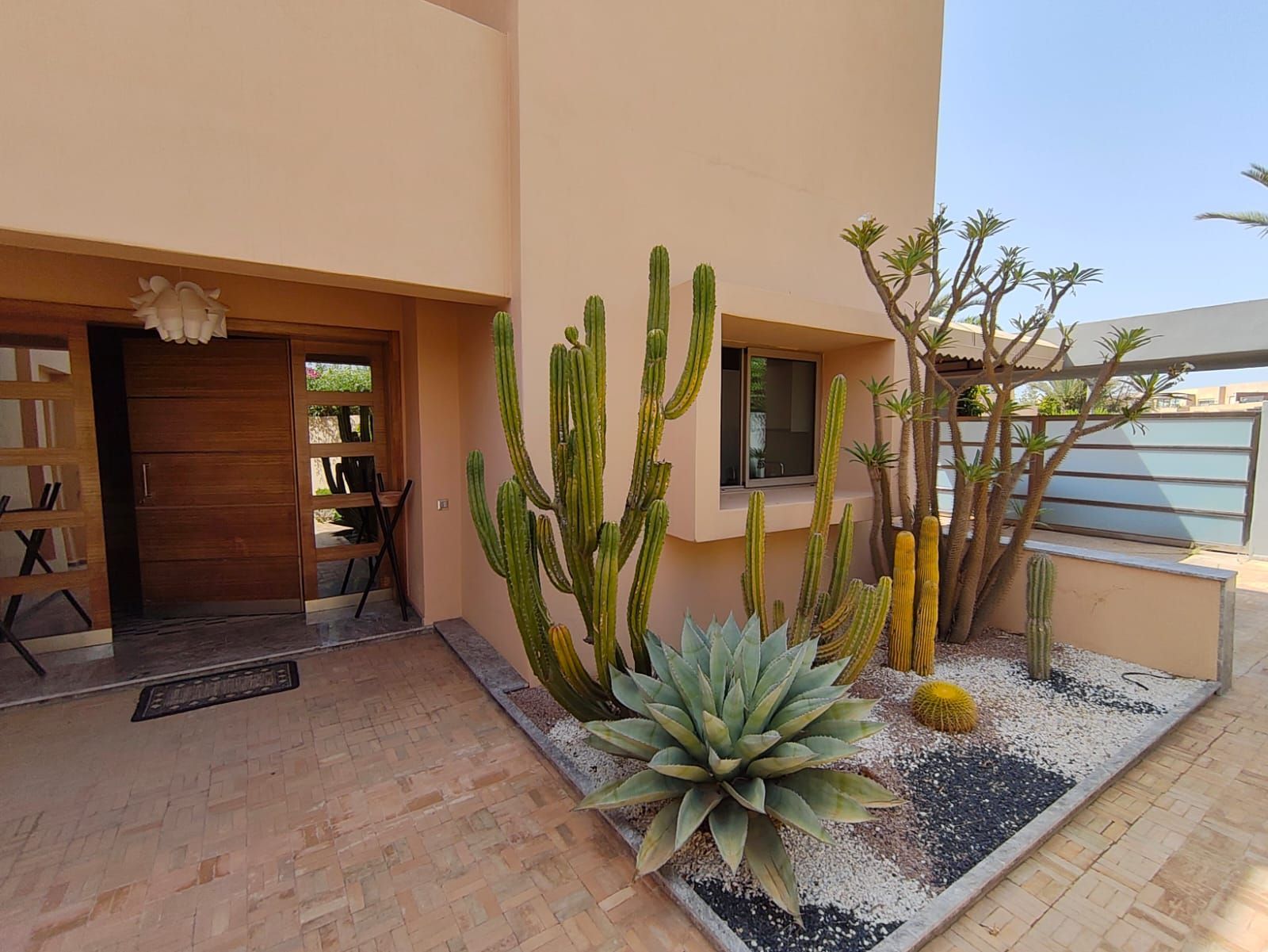
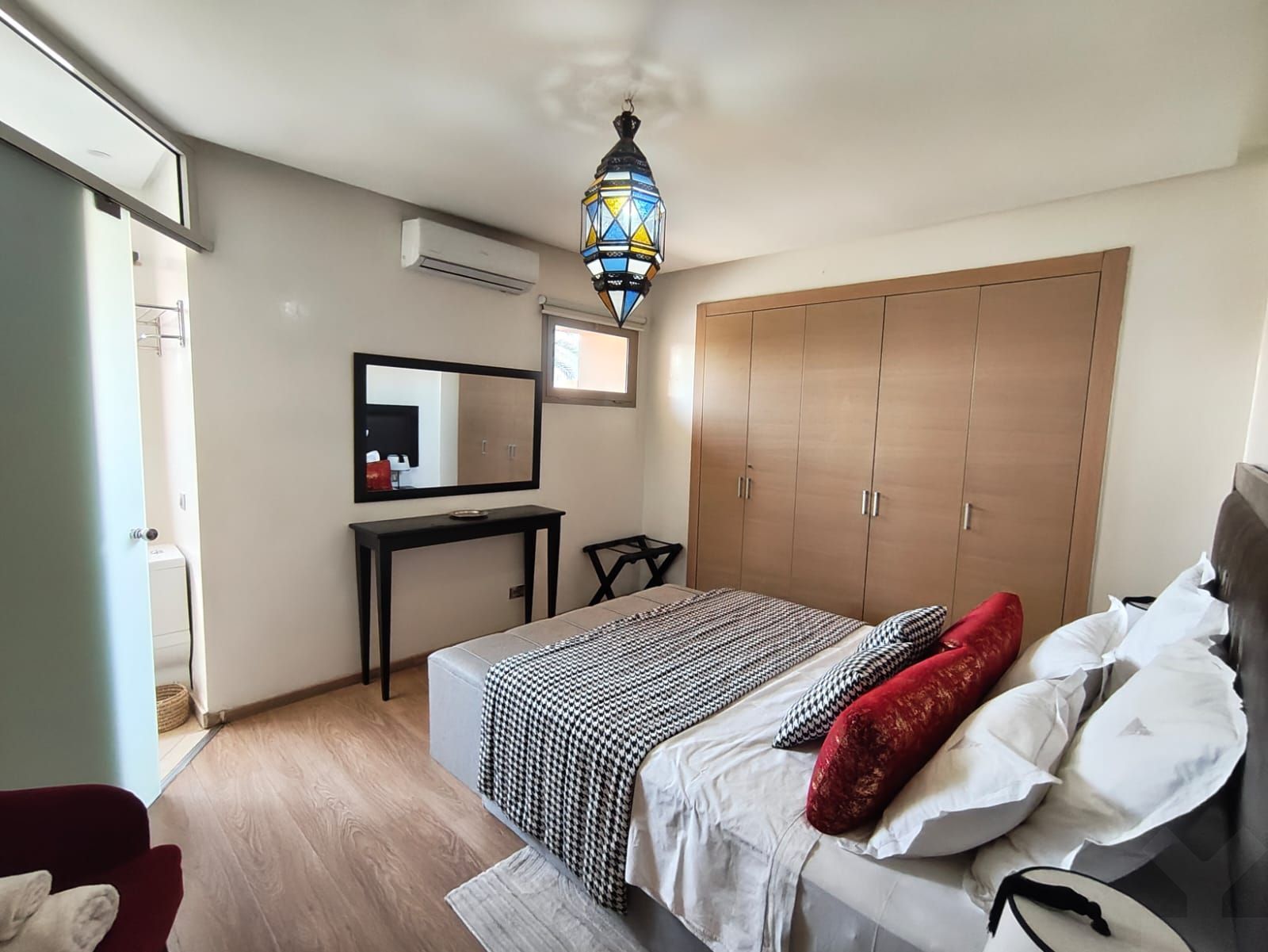
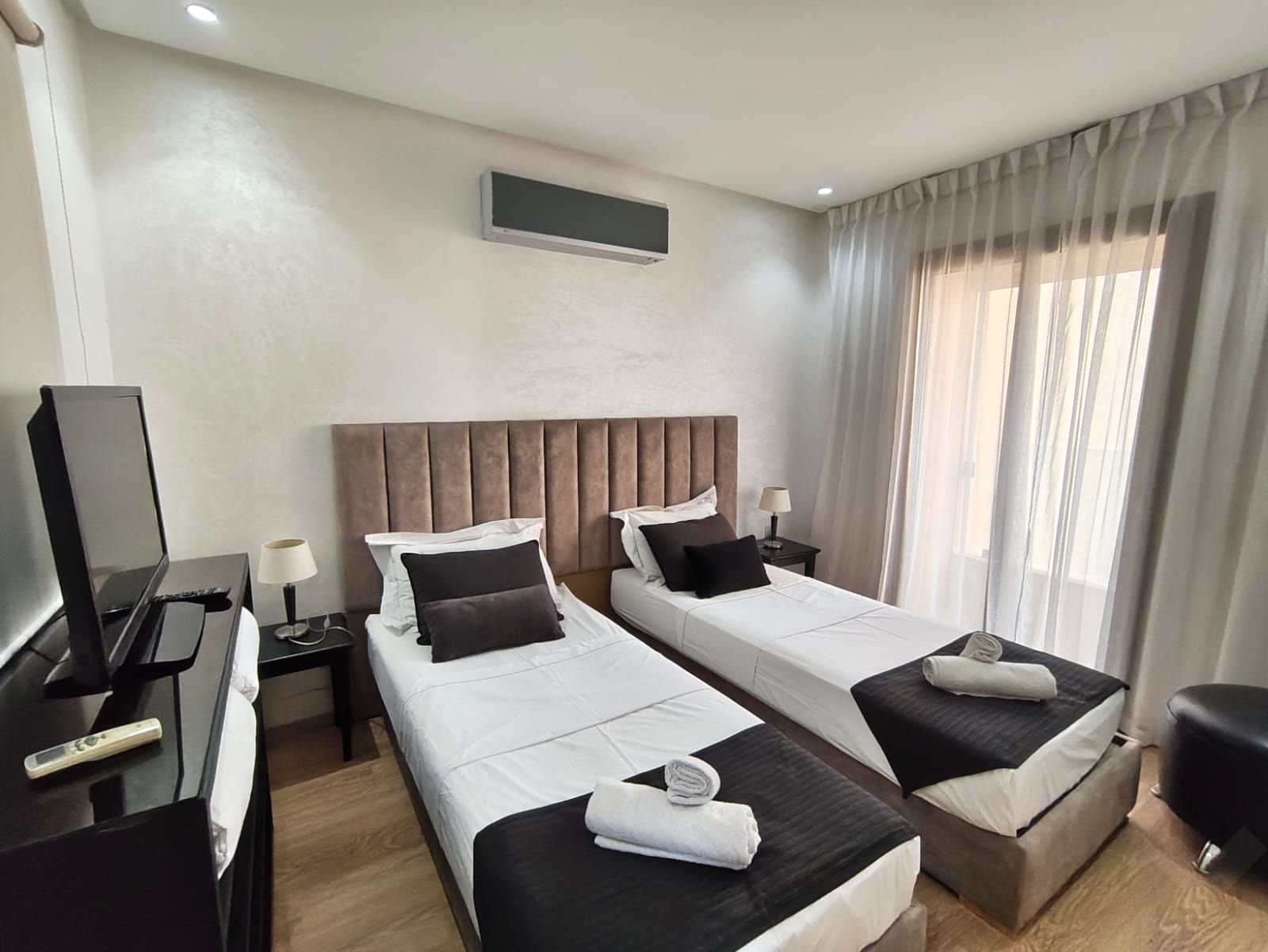
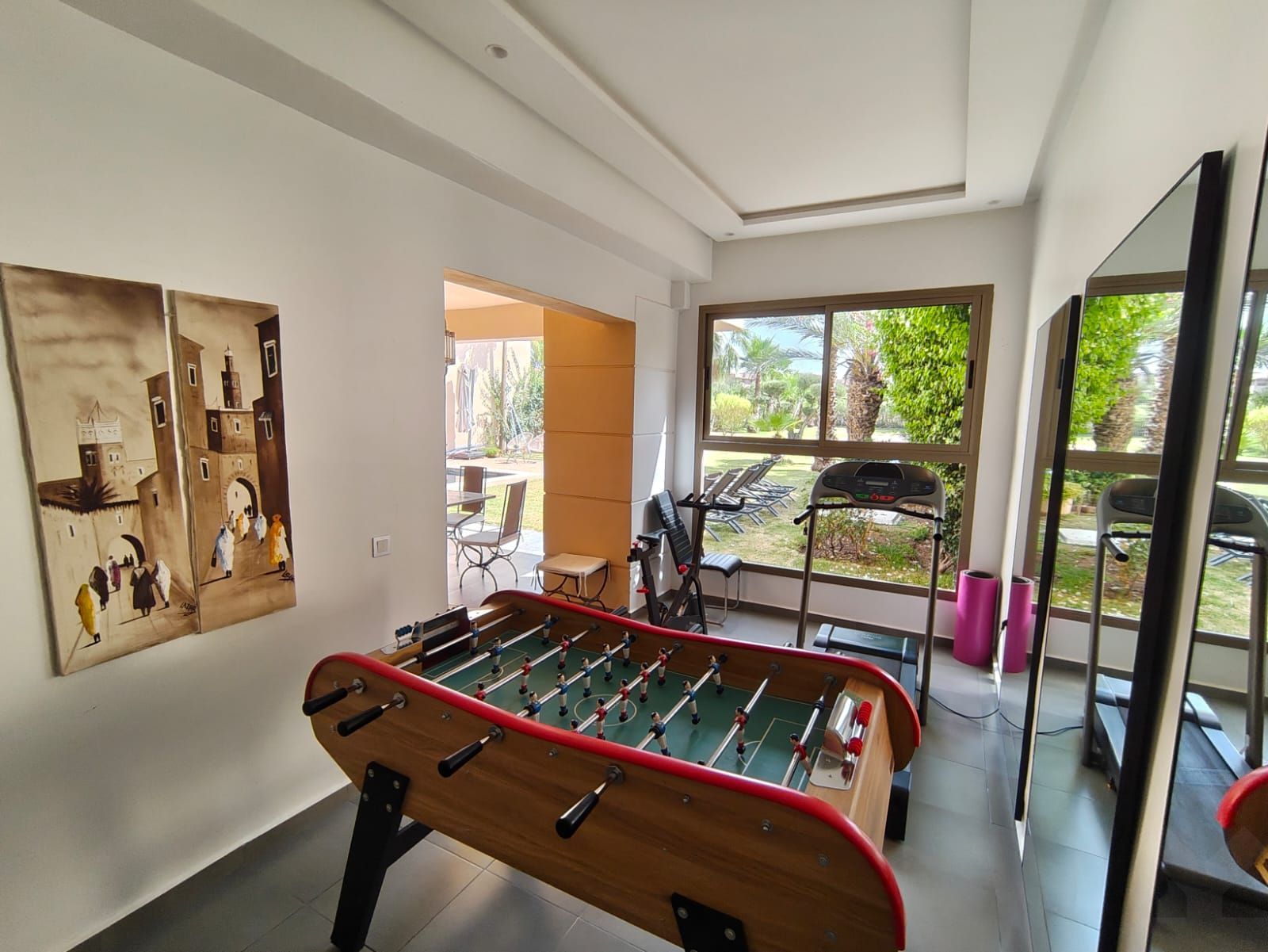
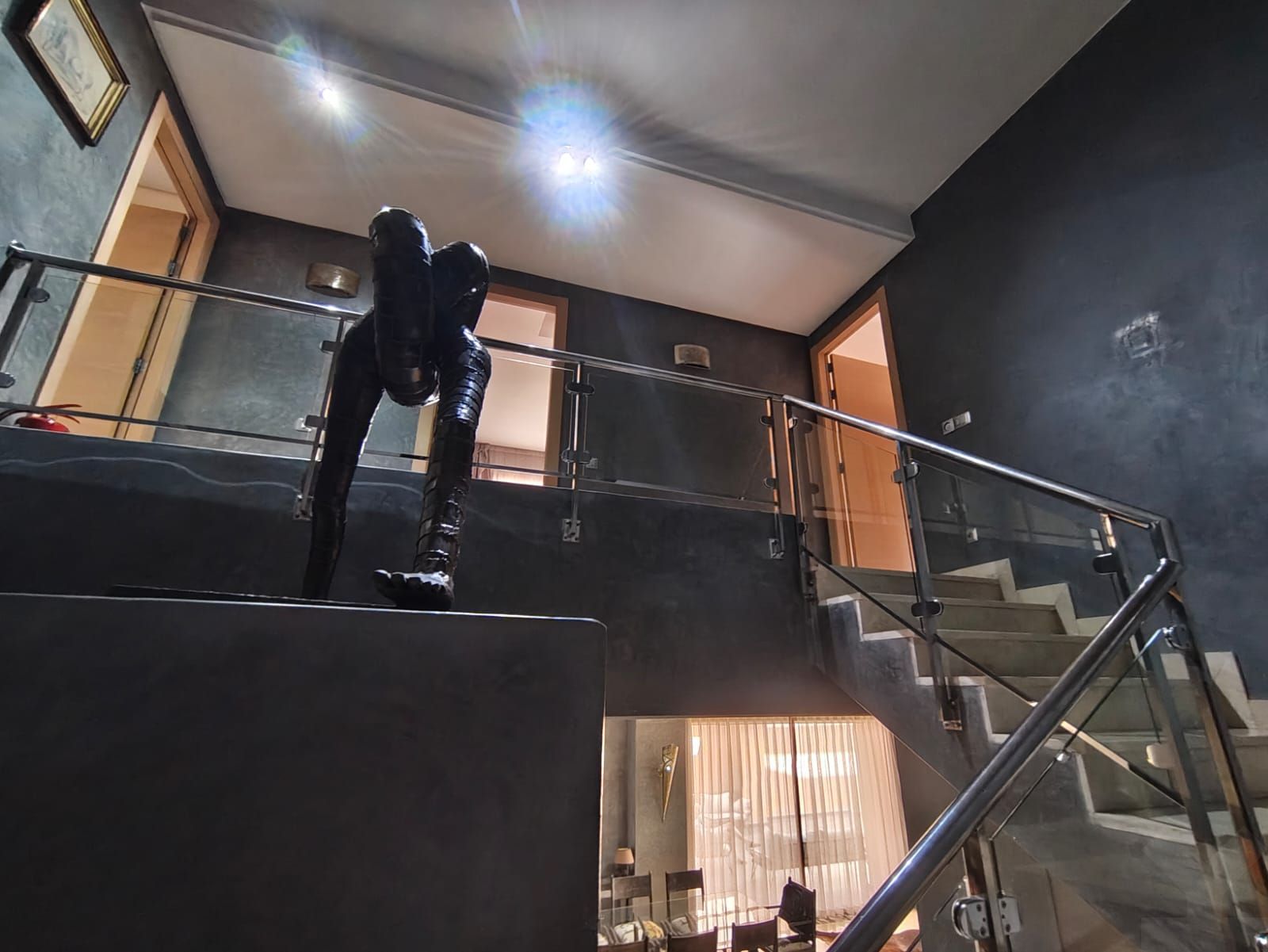
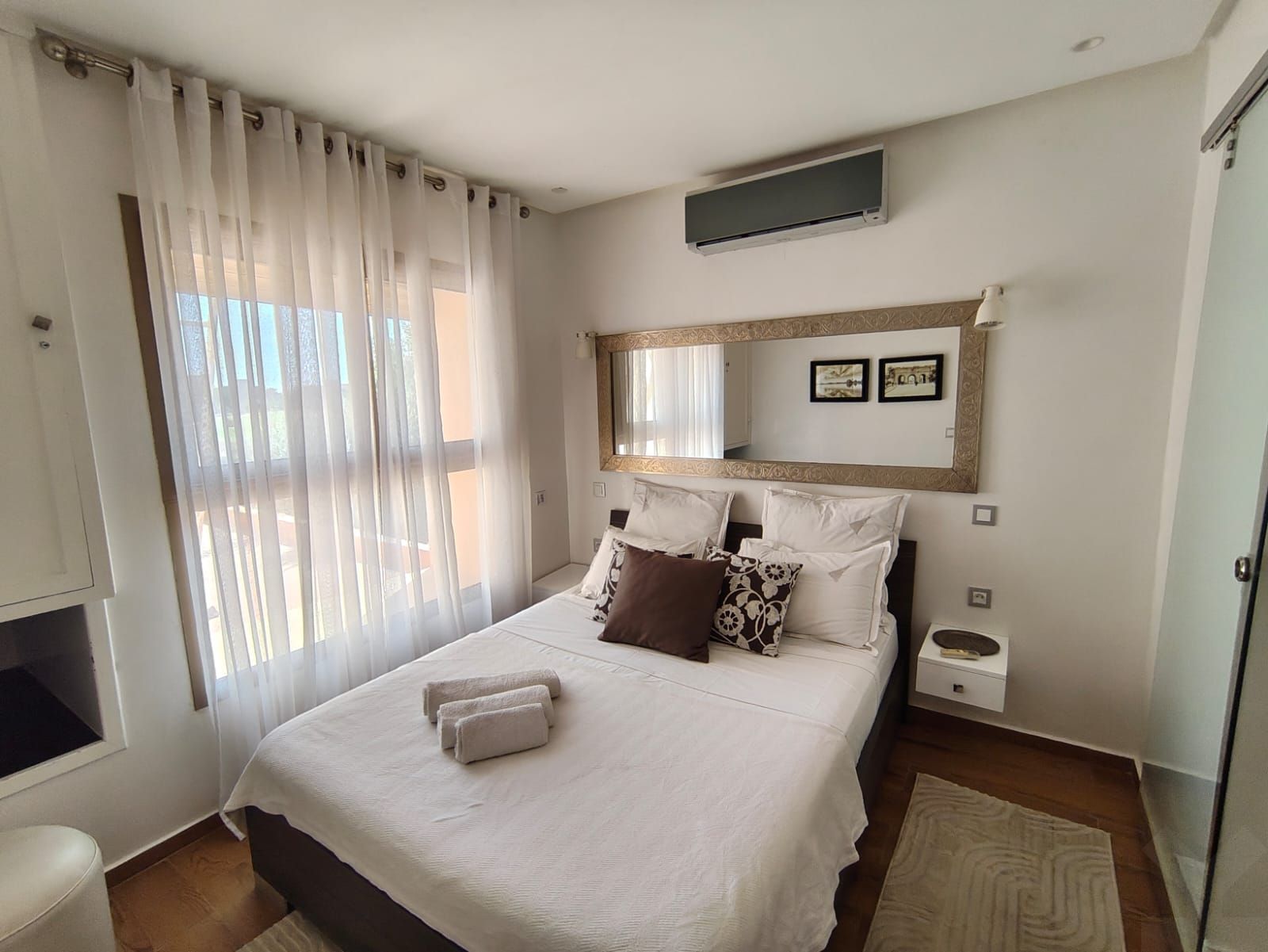
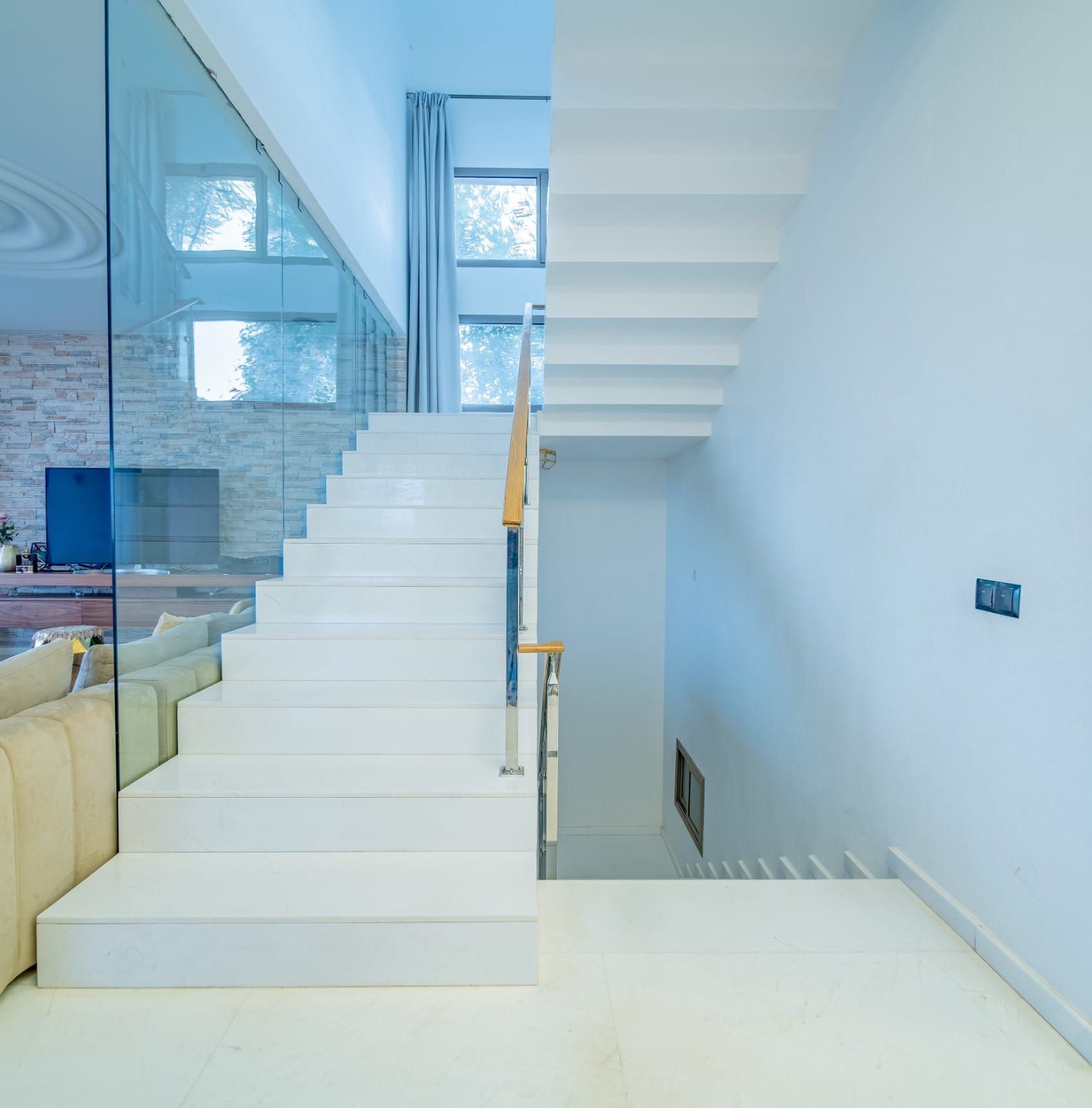
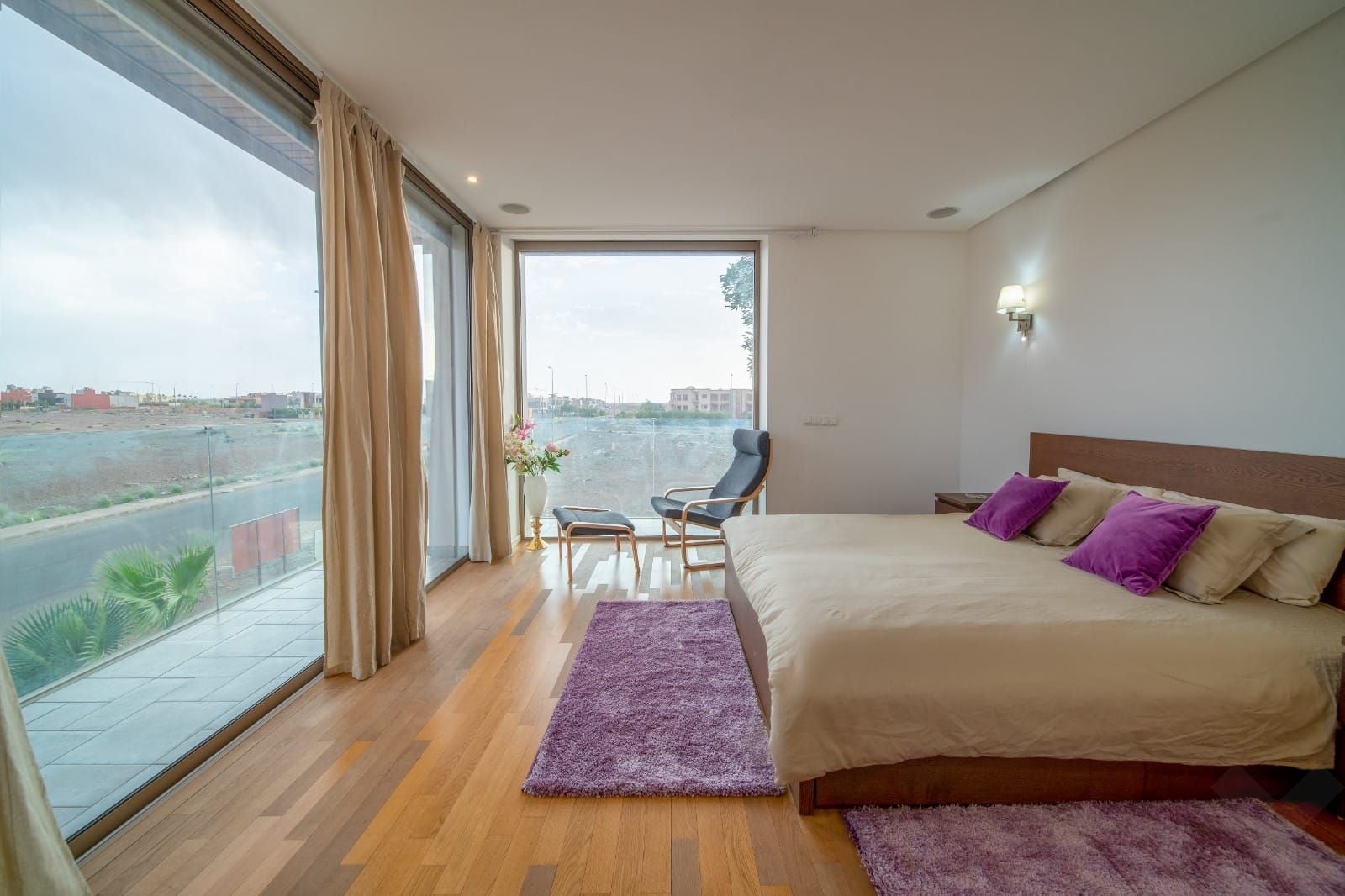
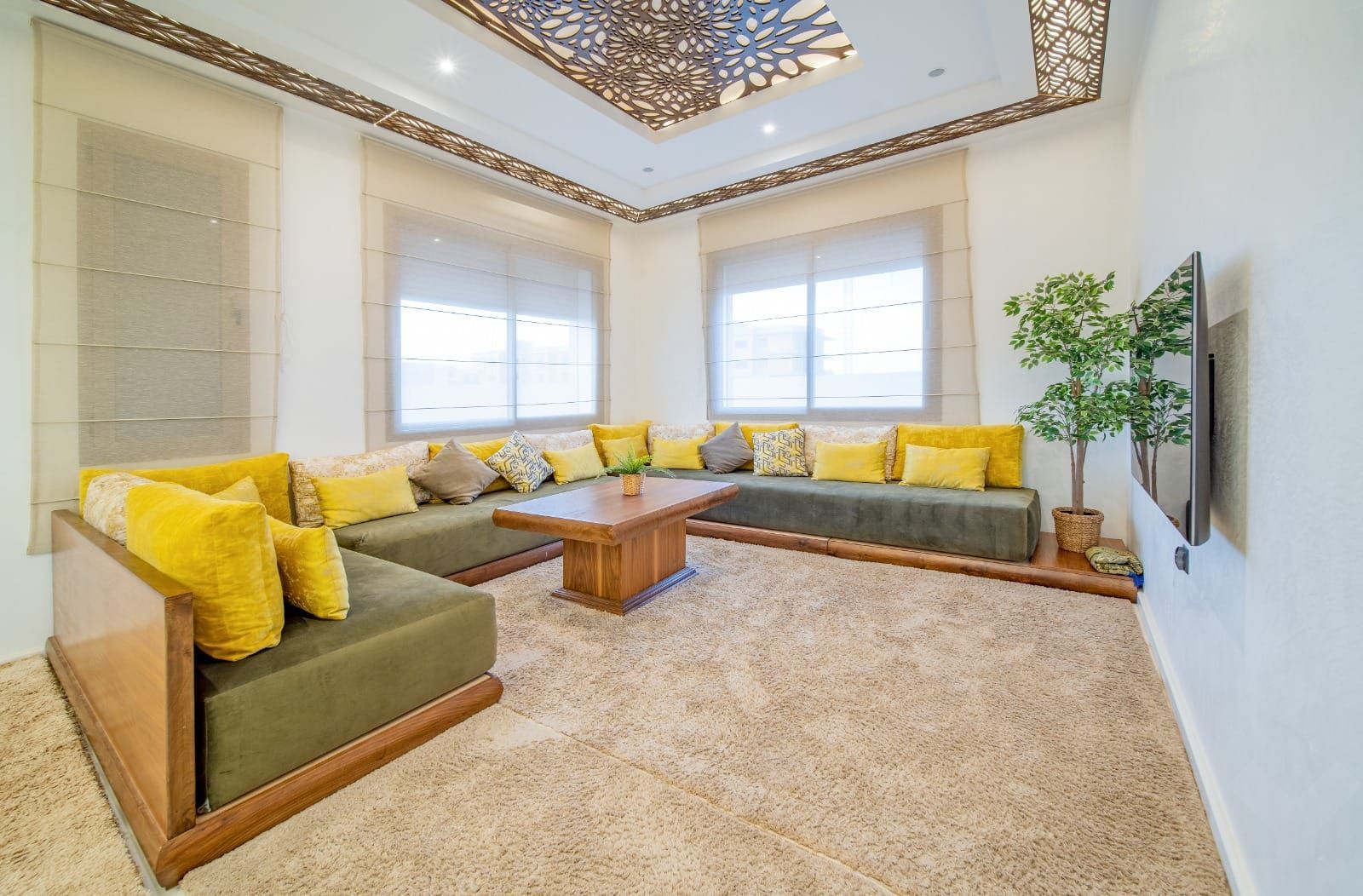
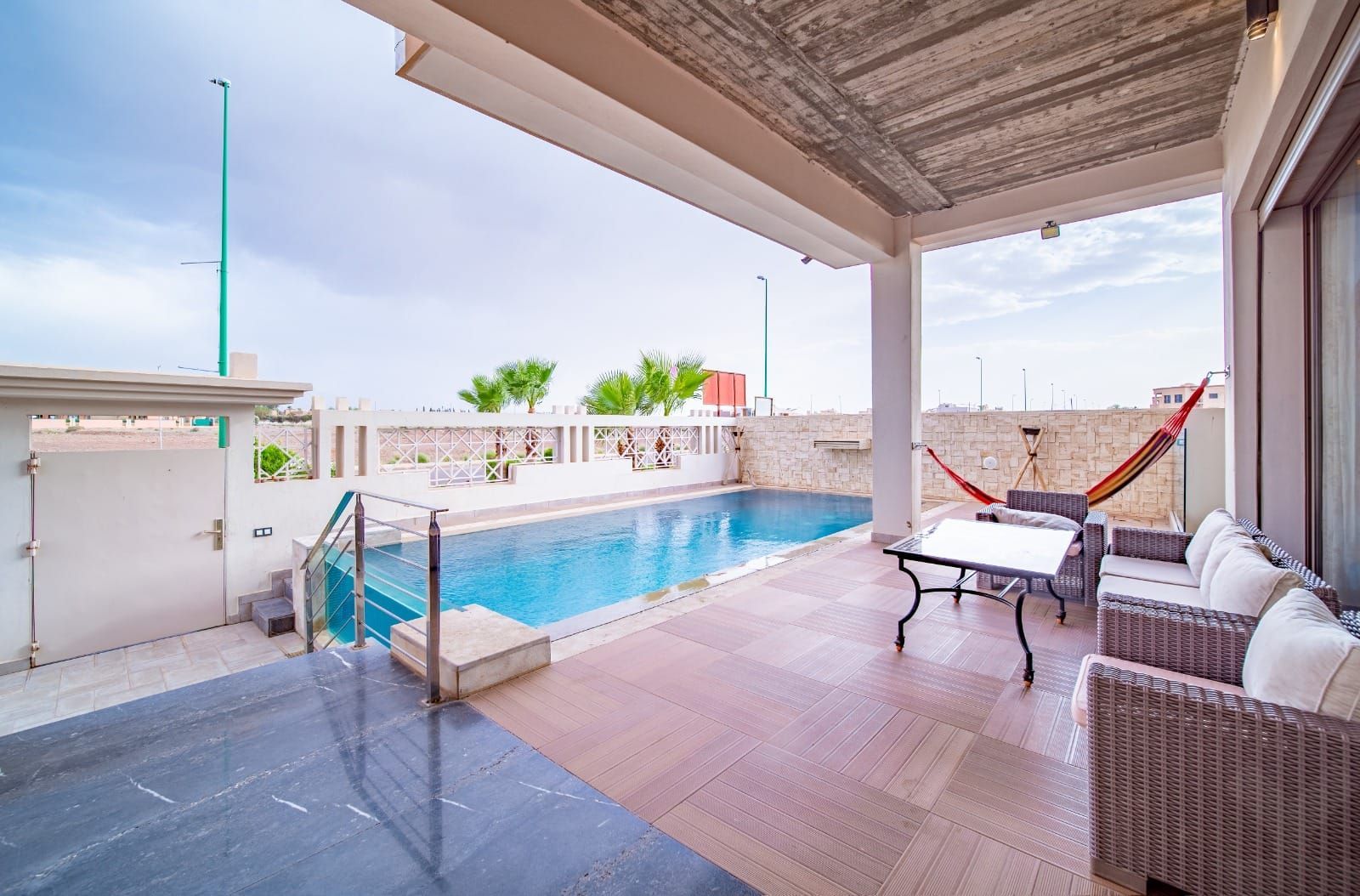
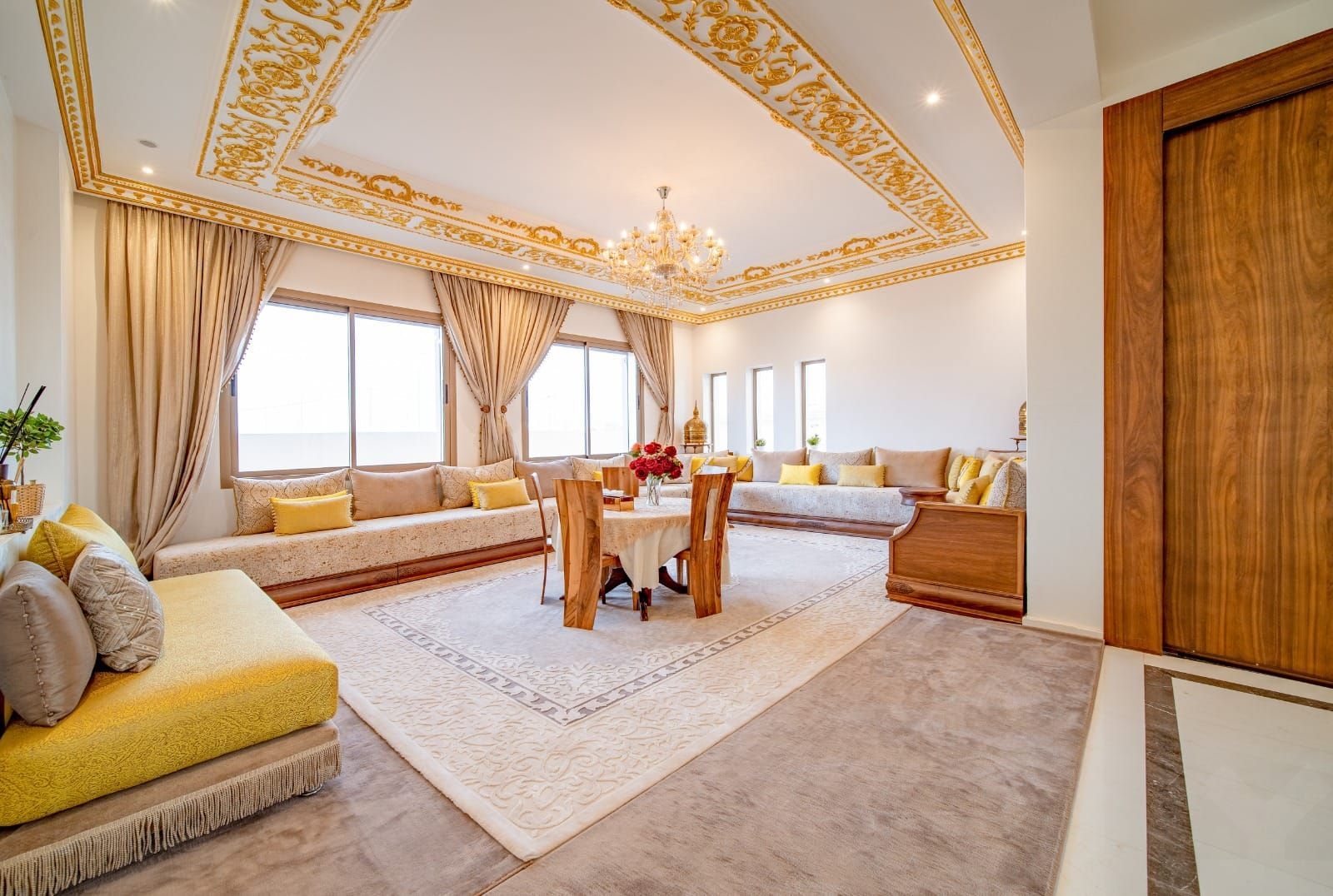
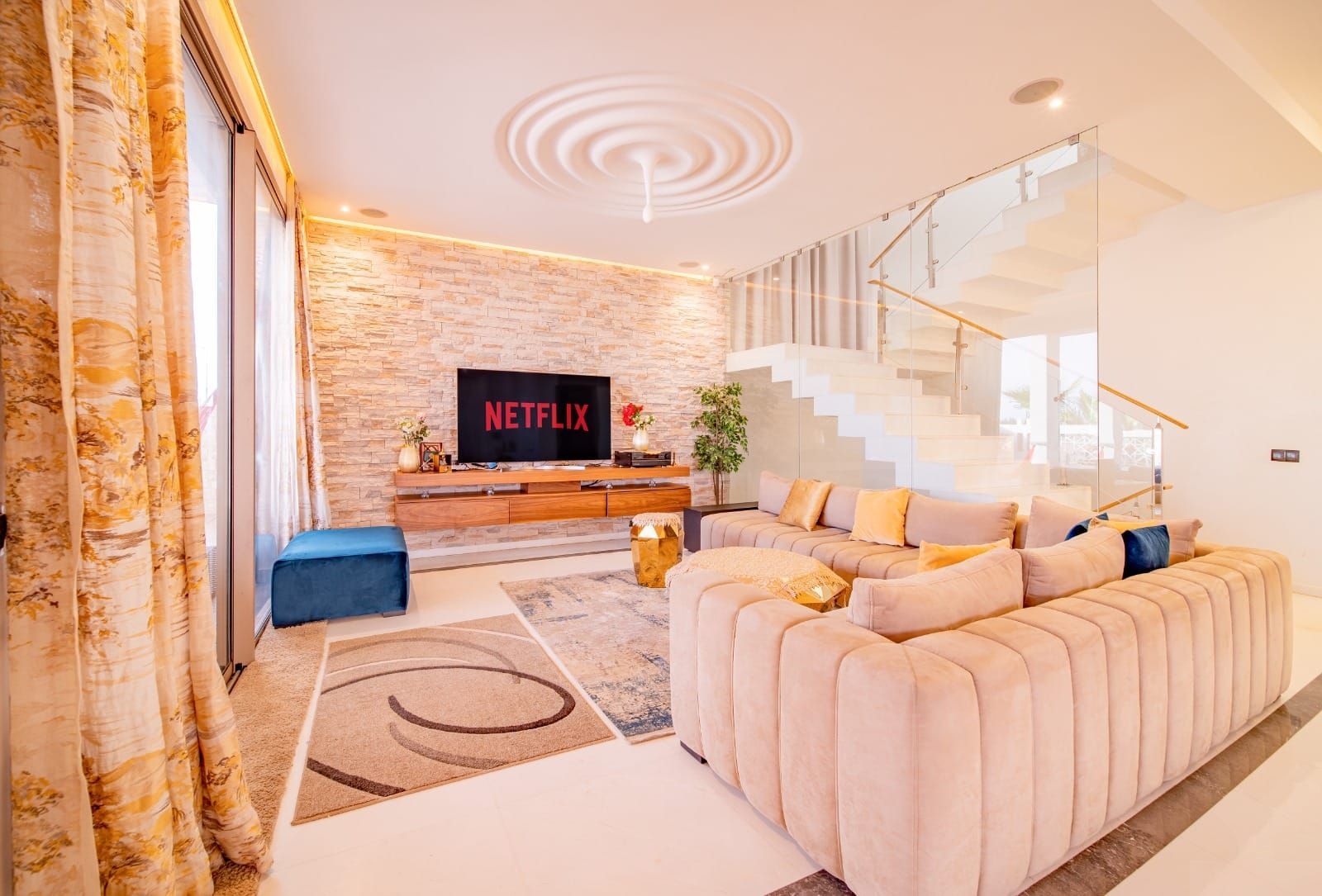
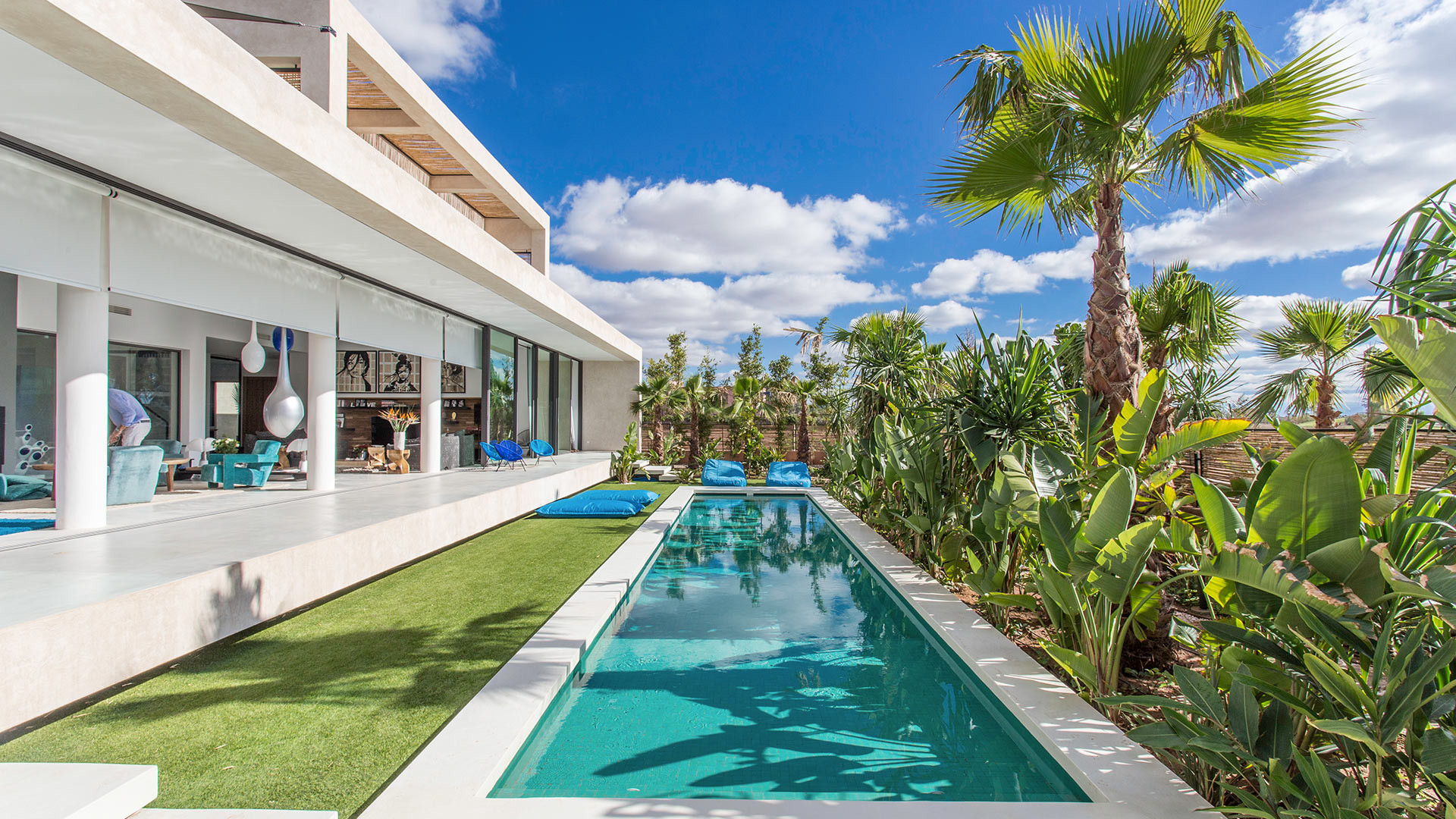
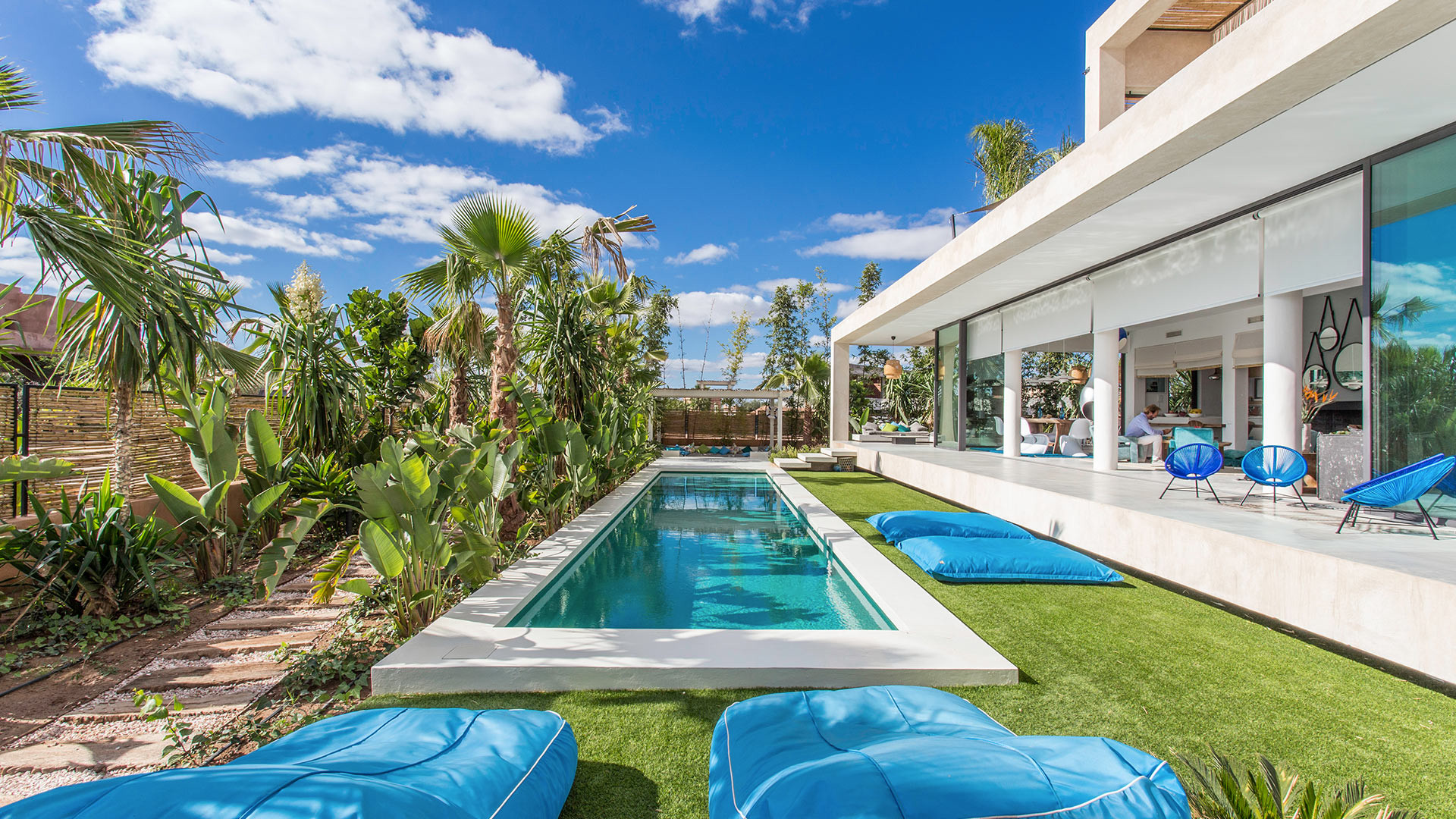
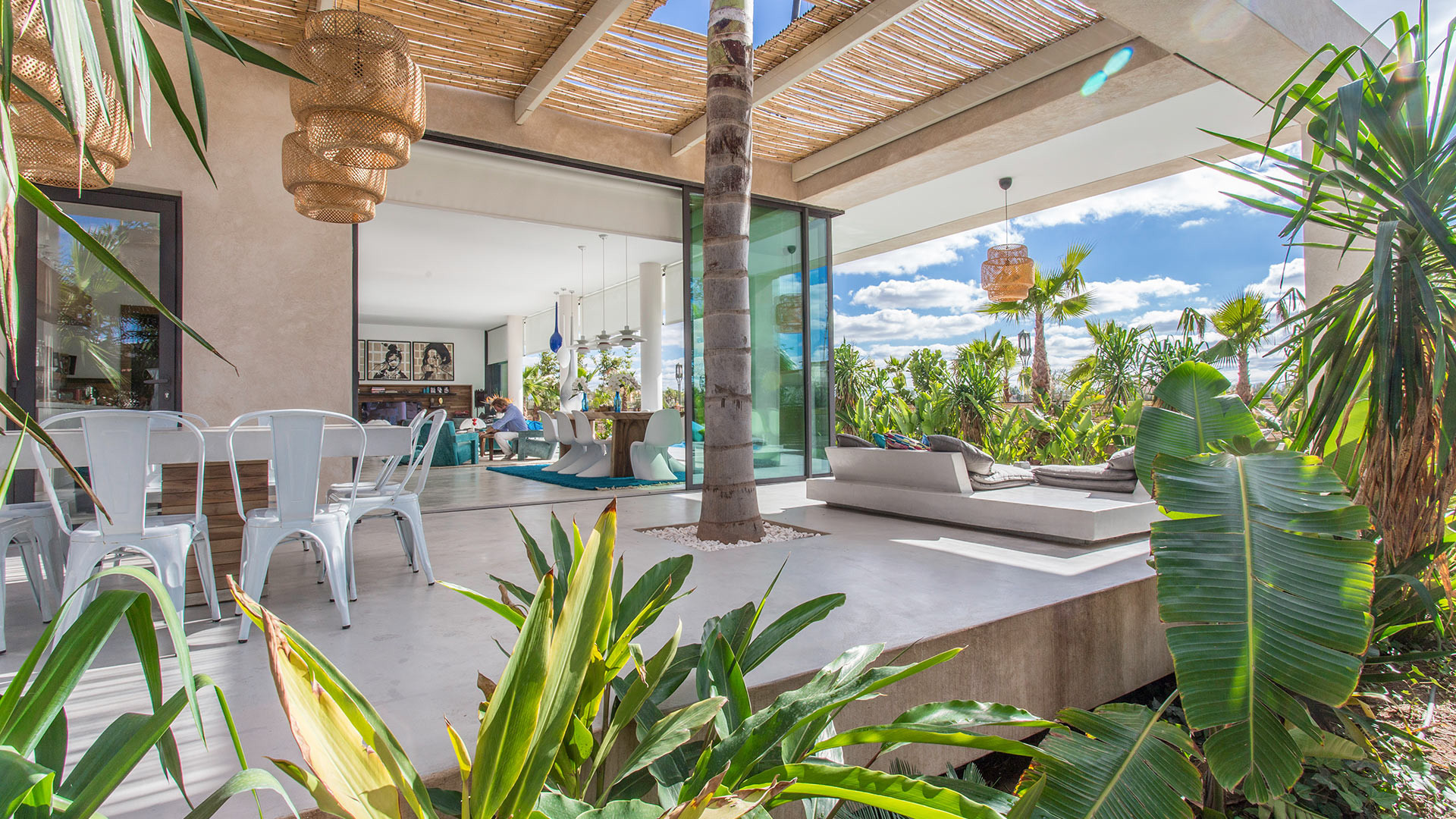
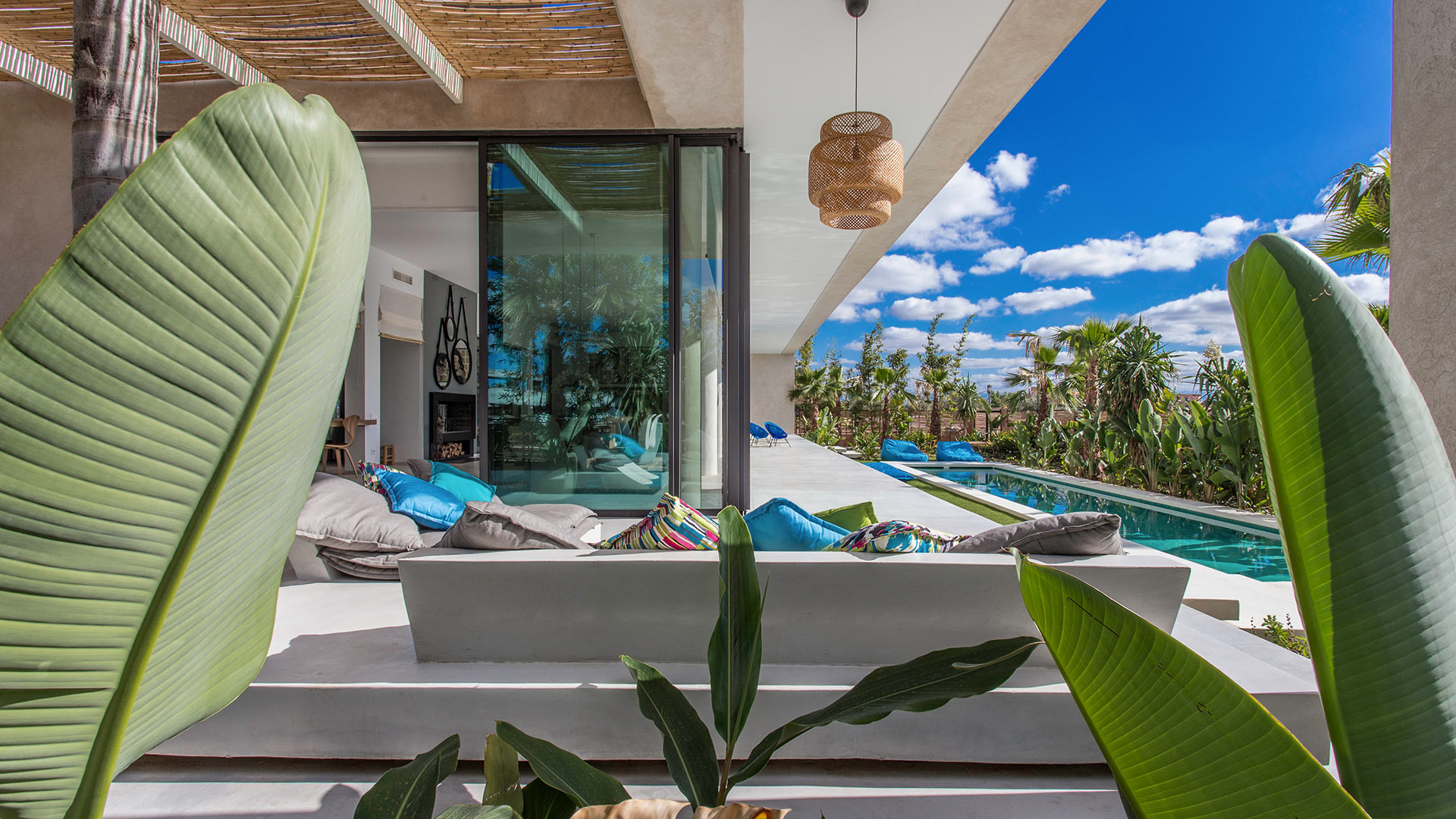
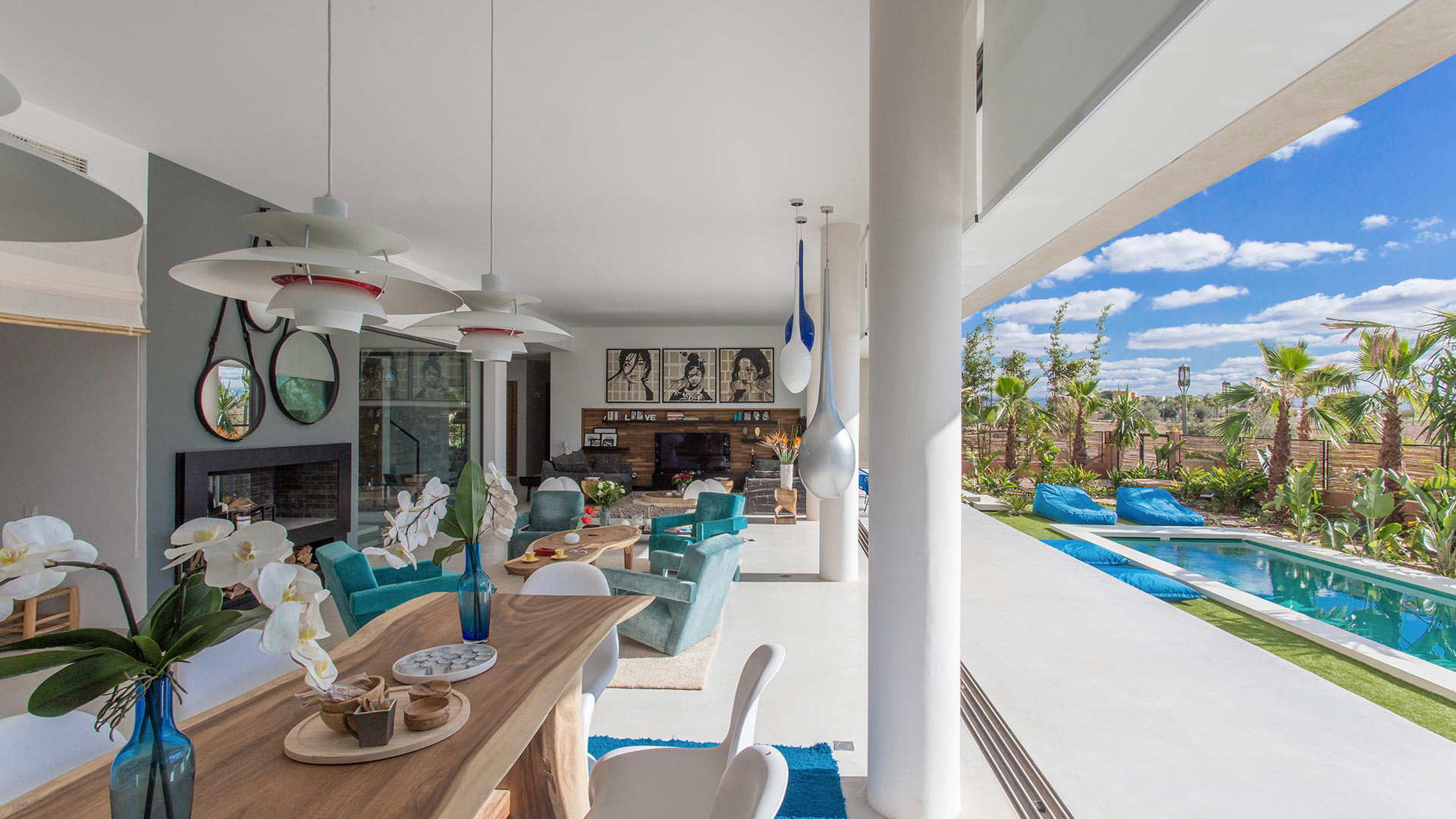
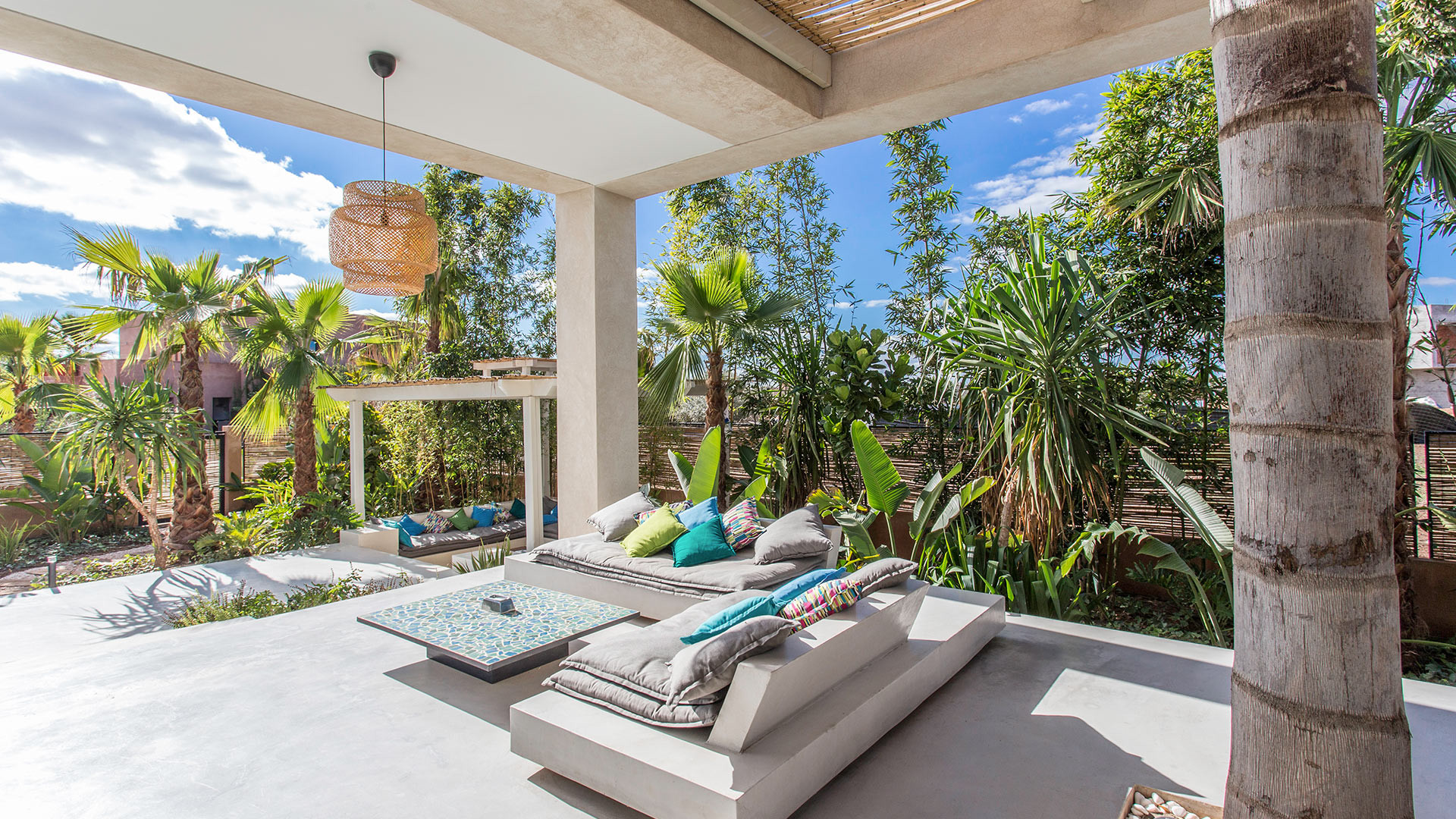
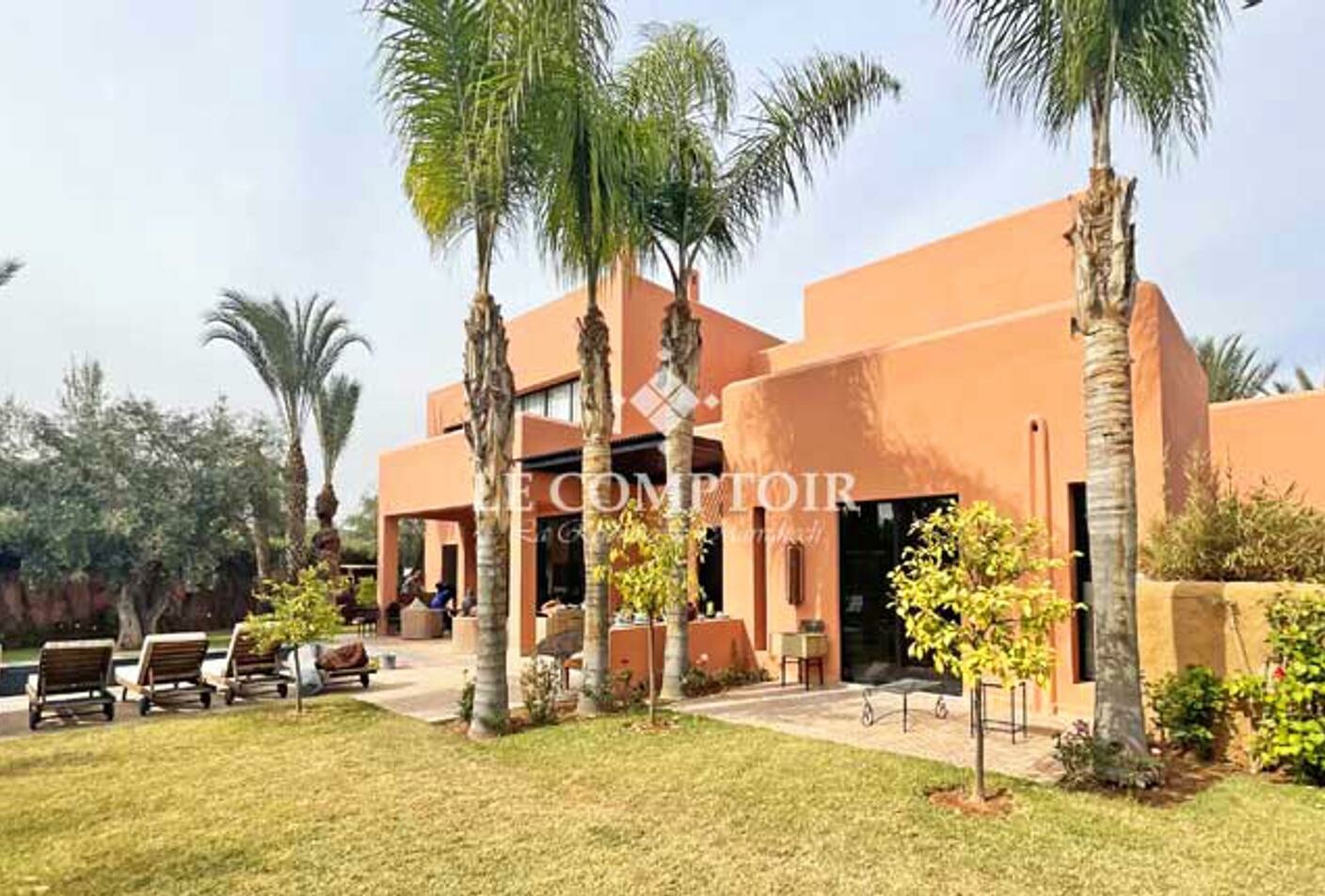
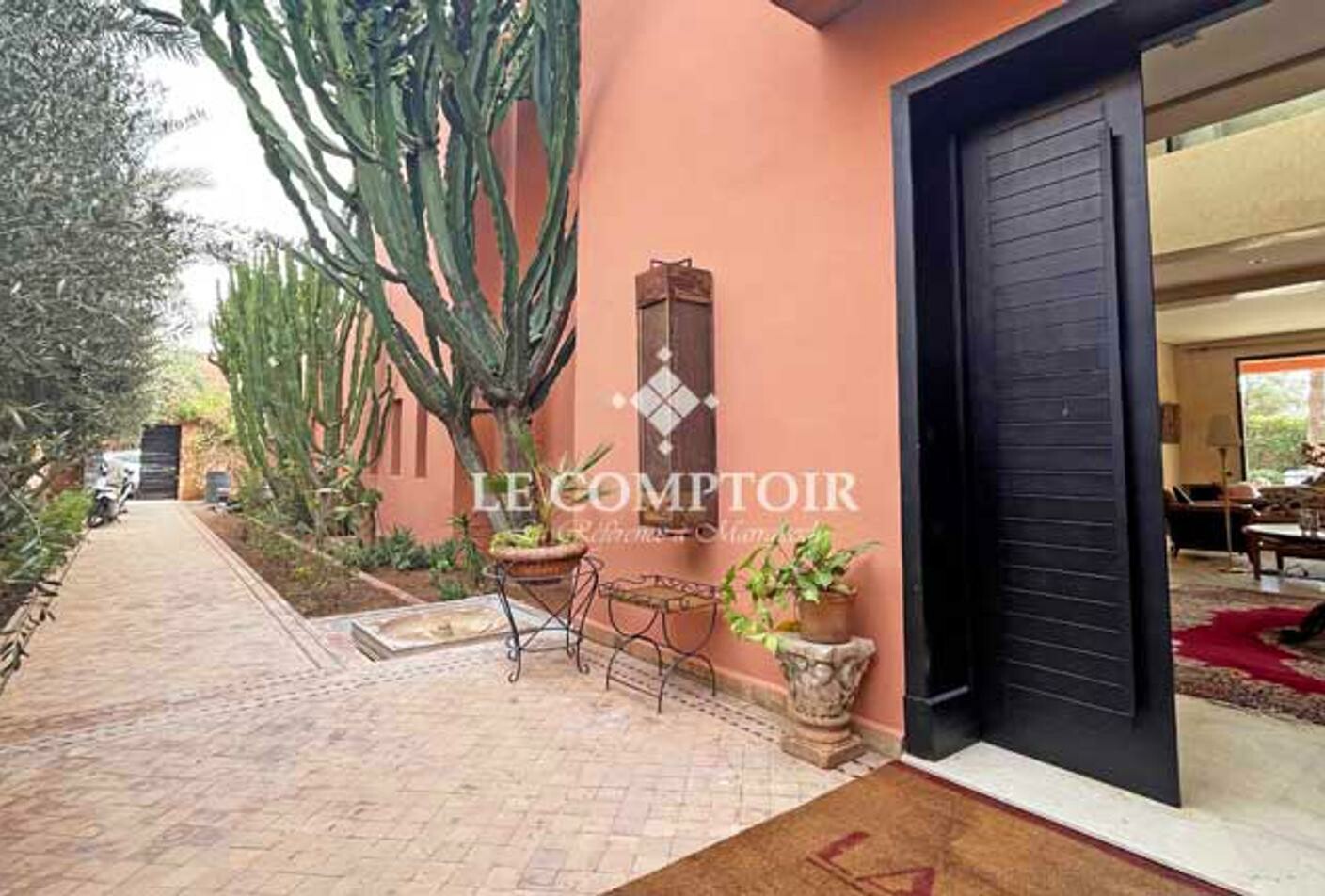
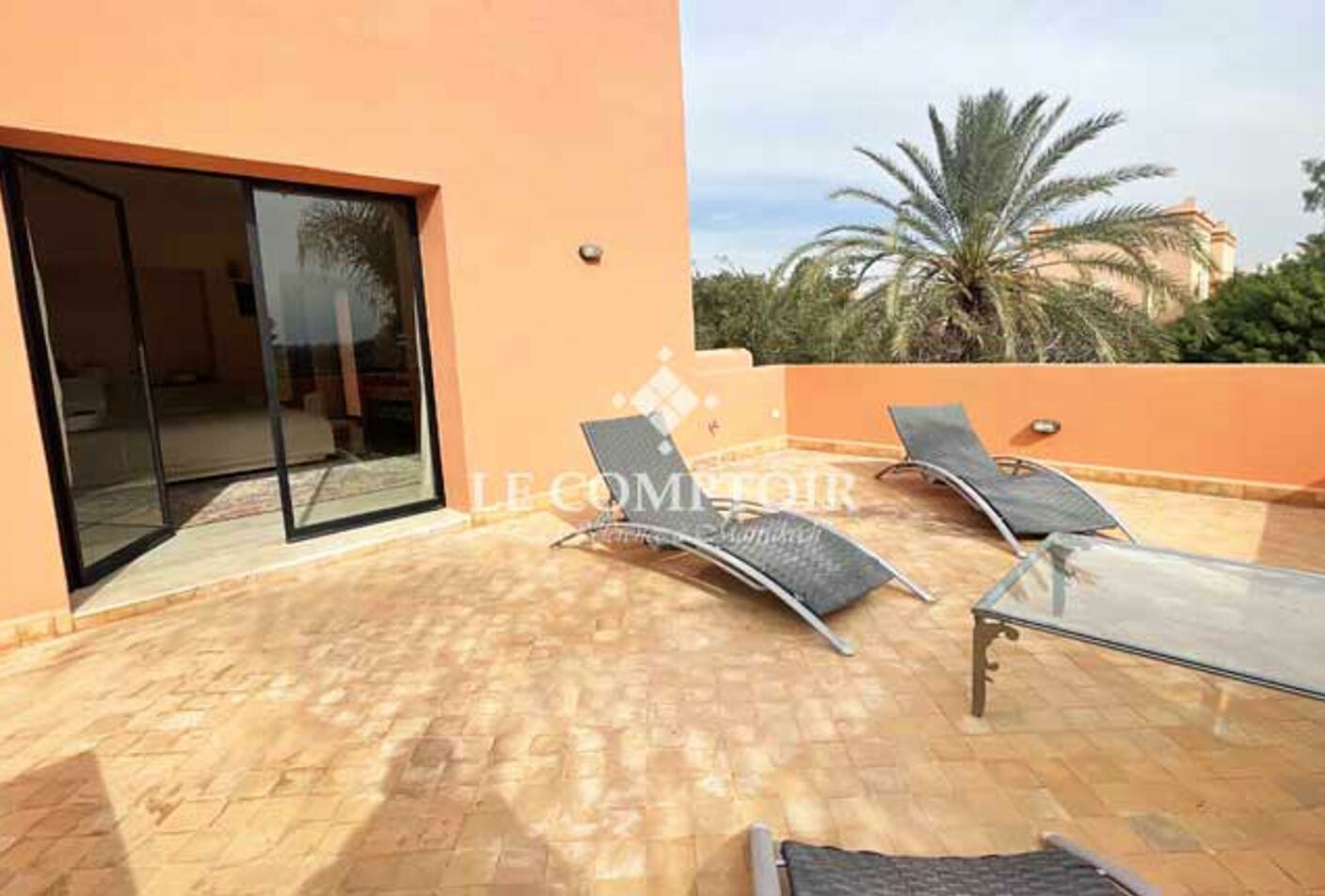
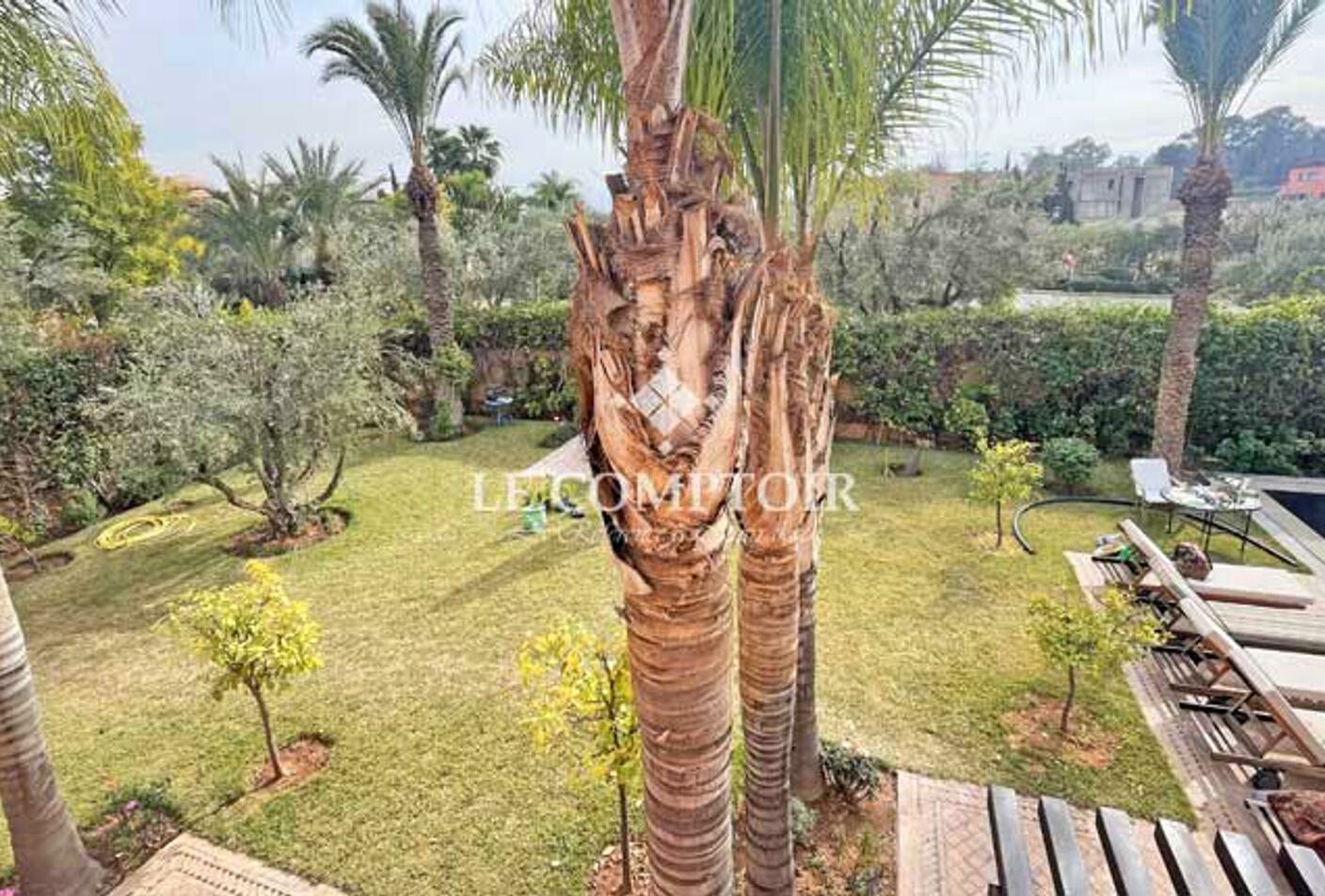
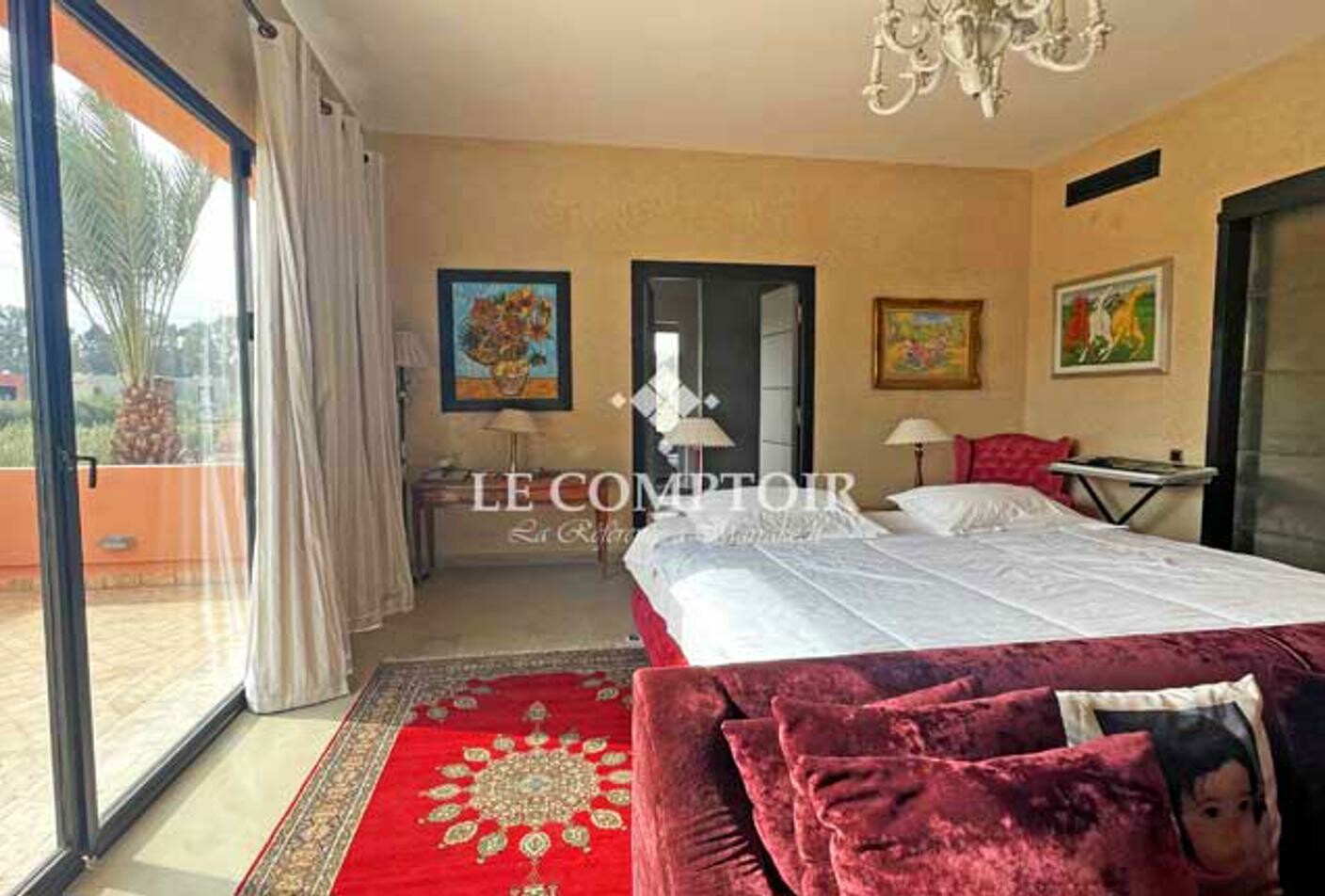
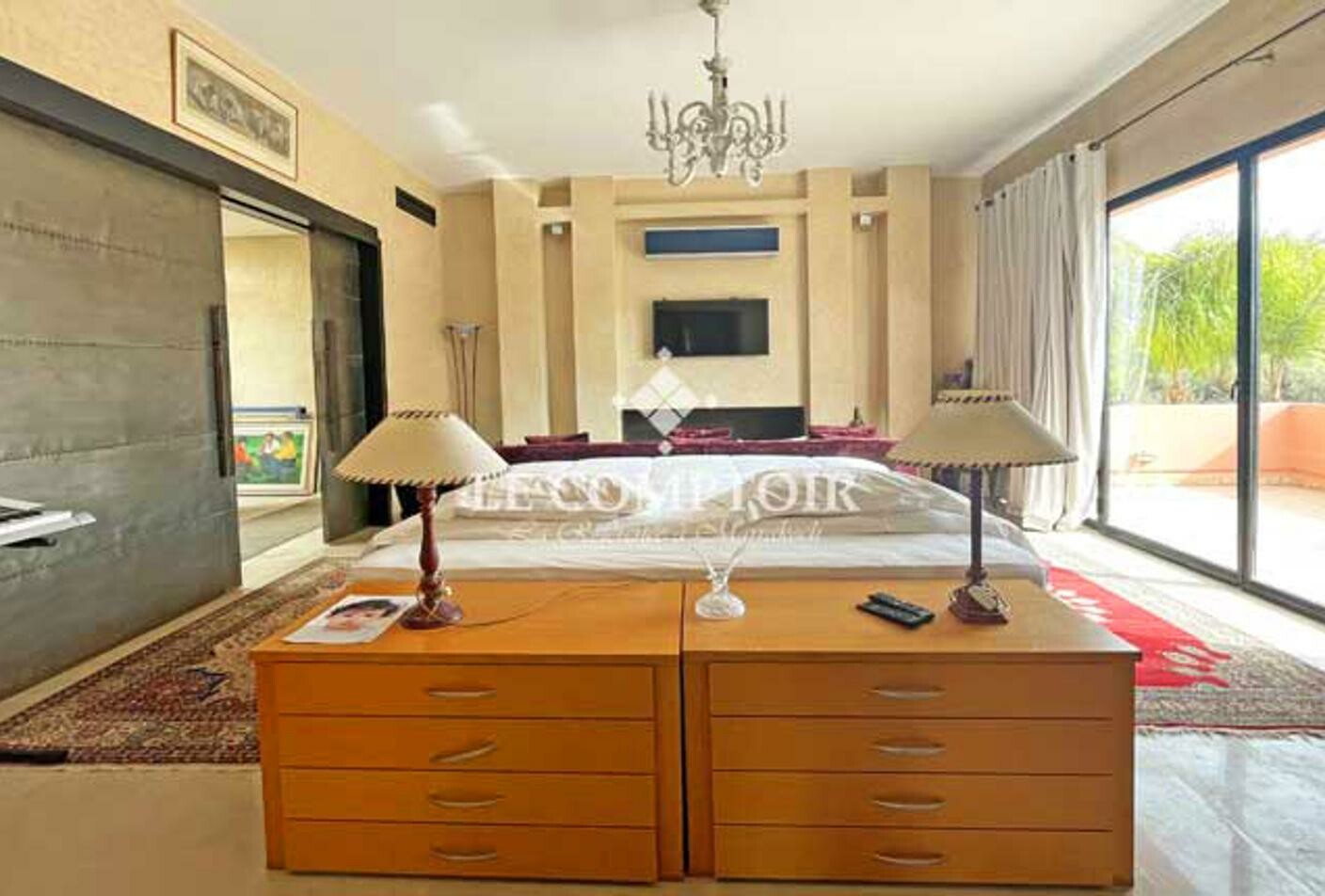
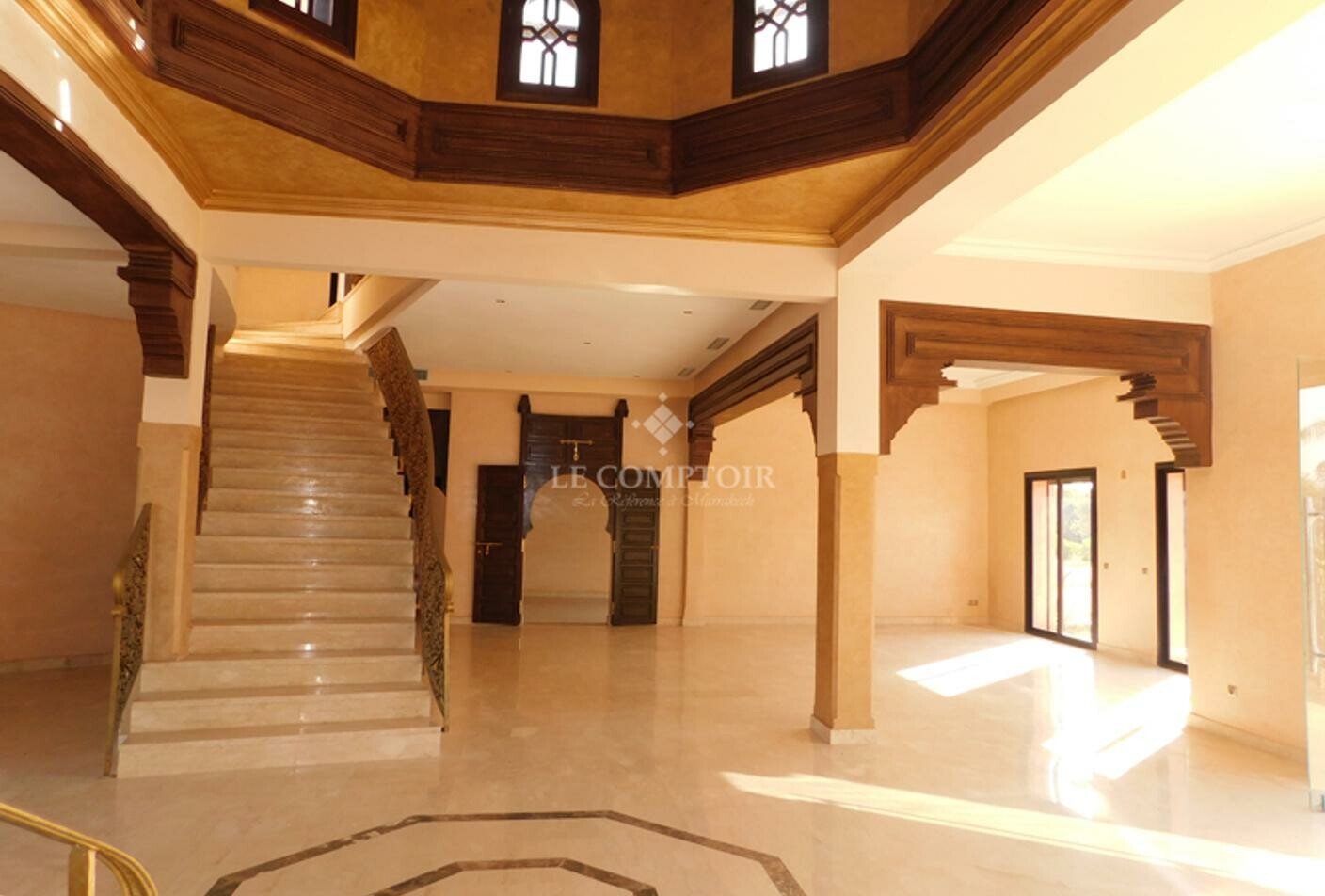
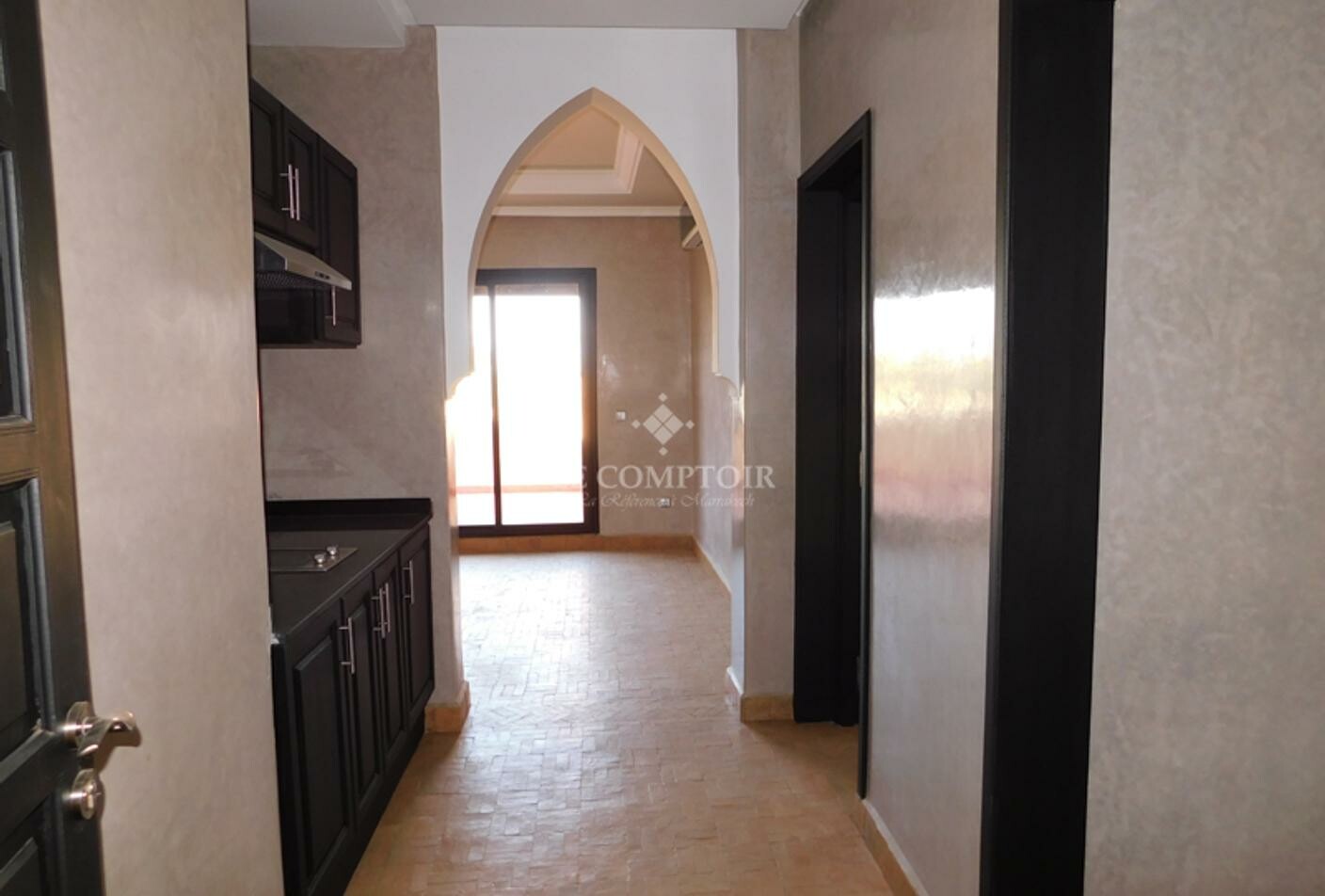
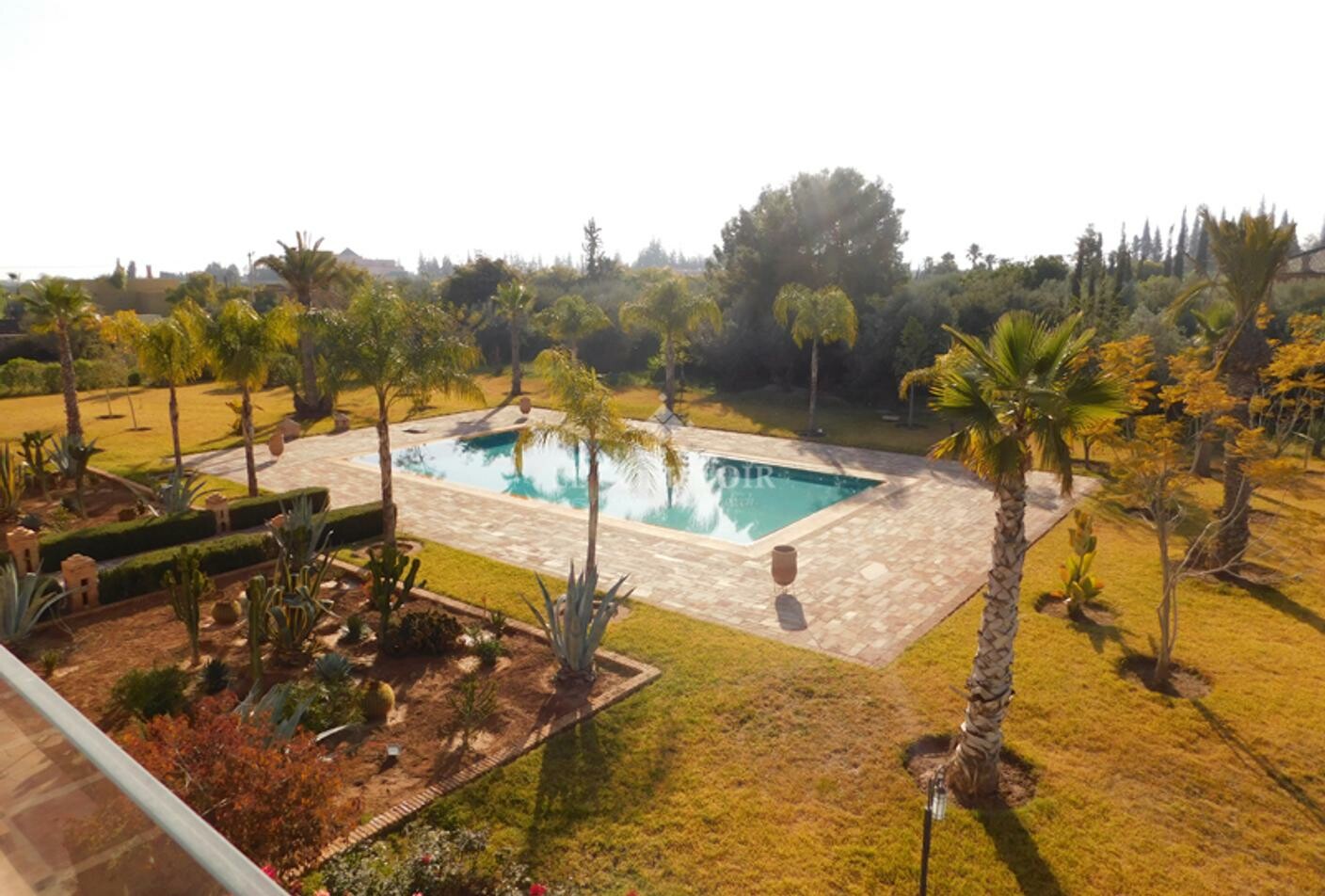
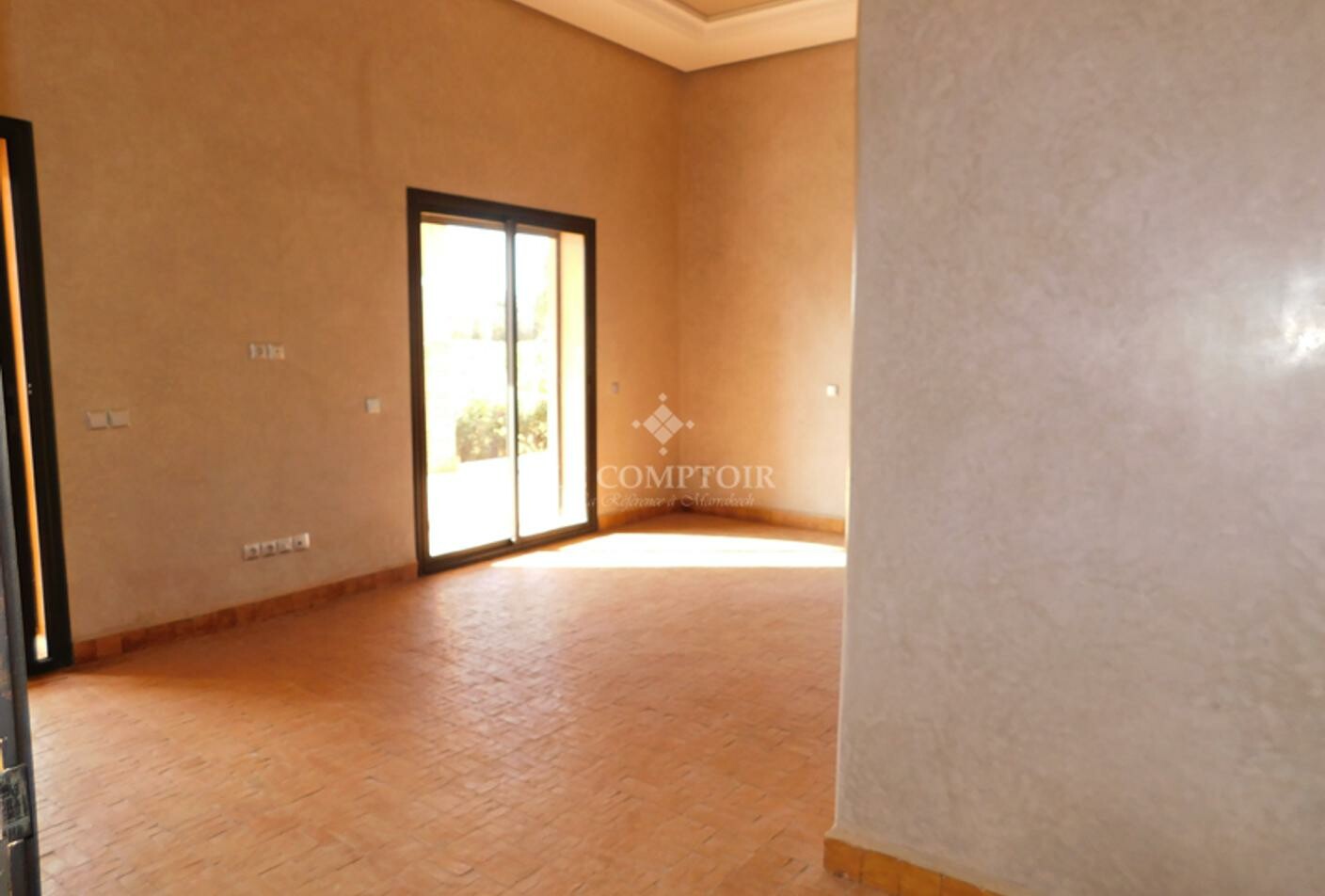
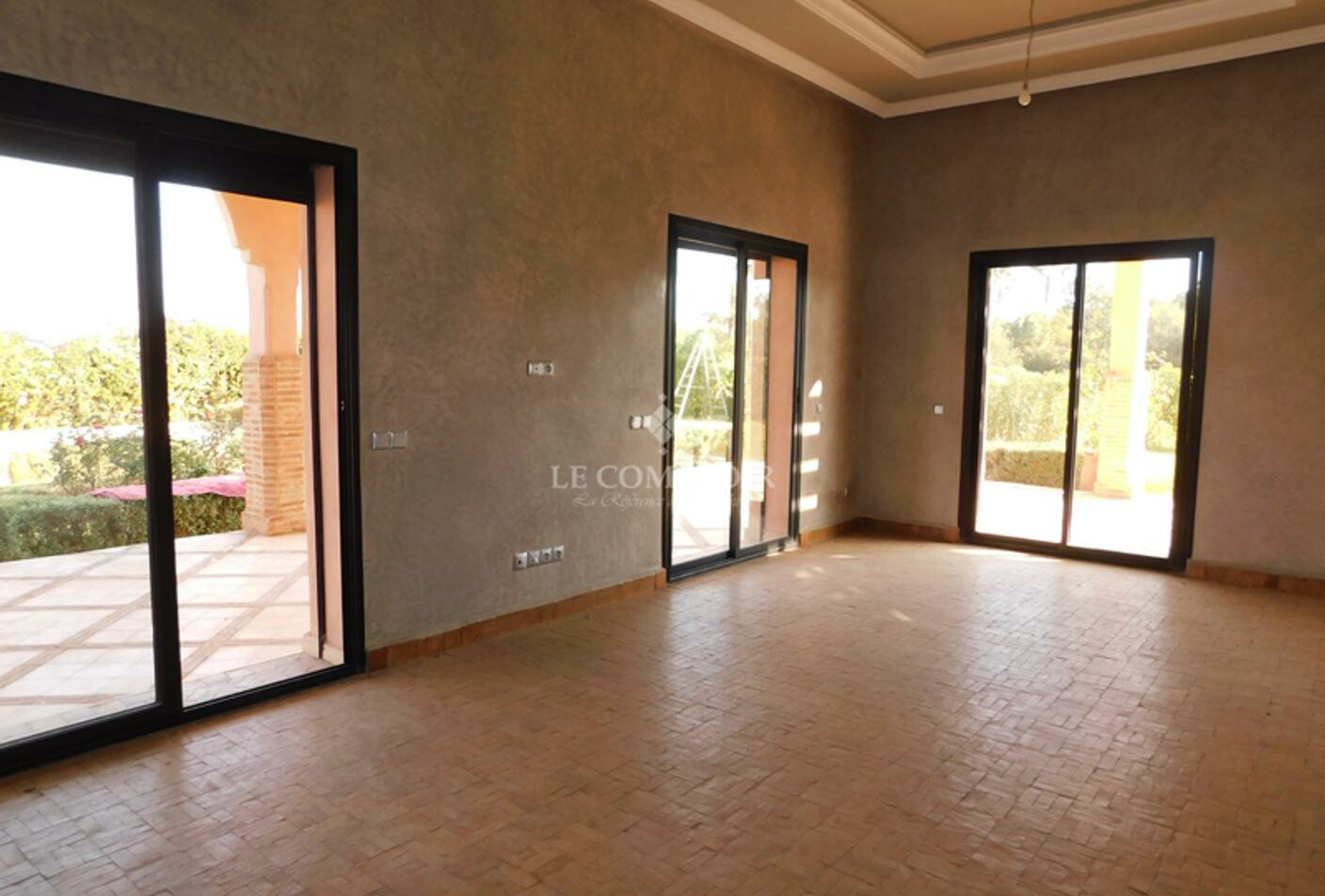
REF. VLA1184 à vendre à Marrakech, cette villa titrée de 590 m² construits sur 2 400 m² de terrain avec jouissance au sein du prestigieux domaine Argan Golf offre piscine privative avec pool house, hammam, salle de jeu avec billard, trois terrasses et prestations haut de gamme dans l'une des adresses les plus exclusives de Marrakech. Une opportunité rare sur le marché immobilier de prestige à Marrakech. Au rez-de-chaussée, un grand salon salle à manger avec cuisine américaine et cheminée s'ouvre sur terrasse et piscine privative. à l'étage, quatre chambres avec parquets, placards et salles d'eau dont une suite avec dressing, salle de bains et terrasse. En sous-sol, une salle de jeu avec billard et salon TV, une cuisine entièrement équipée avec îlot central, une chambre, un hammam, une buanderie et une salle d'eau complètent cette villa d'exception à vendre à Argan Golf Marrakech. Parking intérieur, pool house et domaine sécurisé, cette villa à vendre à Marrakech séduit les acquéreurs et investisseurs en quête d'une propriété de prestige alliant luxe, espace et art de vivre dans un environnement calme, verdoyant et hautement sécurisé aux portes de Marrakech. PRIX. 17 500 000 DHS - HFA document.addEventListener(`DOMContentLoaded`,function(){let e=document.getElementById(`voir-plus`),t=document.querySelector(`.label`);e.addEventListener(`change`,function(){e.checked||t.scrollIntoView({behavior:`smooth`})})}); proposée par : Cantarel Immobilier Agence immobilière à Marrakech Information financières --> --> Annonces Similaires Il y a 3 mois 24 700 000 DH 5 Ch 3 sdb 2070 m² Villa à vendre Marrakech -Rahba Kedima Annonce par : Cantarel Immobilier (function(){const id = ""; const similarLen = 1; document.addEventListener("DOMContentLoaded", function () { const carousel = document.getElementById(`Cards-Container${id}`); const arrows = document.getElementById(`arrowsId${id}`); const indicators = document.getElementById(`indicators${id}`); // const prevStroke = document.getElementById(`prev-stroke${id}`); const nextButtons = document.querySelectorAll(`.next-btn${id}`); const prevButtons = document.querySelectorAll(`.prev-btn${id}`); if (!carousel) return; /* Card #4103 — measure the real card "step" (card width + gap) * by reading the two first children's offsetLeft. Falls back to * the first child's offsetWidth if there's only one card. This is * what makes the arrow navigation actually land on card edges * instead of being off by the gap. */ let currentIndex = 0; const firstCard = carousel.firstElementChild; const cardWidth = firstCard instanceof HTMLElement ? firstCard.offsetWidth || 320 : 320; const measureStep = () => { const first = carousel.children[0]; const second = carousel.children[1]; if (!first || !(first instanceof HTMLElement)) return cardWidth; if (second && second instanceof HTMLElement) { const delta = second.offsetLeft - first.offsetLeft; if (delta > 0) return delta; } return first.offsetWidth || cardWidth; }; let step = measureStep(); /* maxScroll is the true end of the scroll container. The card- * counted maxIndex is derived from it so the last "next" click * lands at scrollLeft = maxScroll and the final card sits fully * inside the viewport, no partial visibility. */ const getMaxScroll = () => Math.max(0, carousel.scrollWidth - carousel.clientWidth); let maxScroll = getMaxScroll(); let maxIndex = step > 0 ? Math.ceil(maxScroll / step) : 0; const maxDots = 5; const isRTL = getComputedStyle(carousel).direction === "rtl"; const recompute = () => { step = measureStep(); maxScroll = getMaxScroll(); maxIndex = step > 0 ? Math.ceil(maxScroll / step) : 0; }; const updateArrowsVisibility = () => { if (!arrows || !carousel) return; arrows.style.visibility = maxScroll > 0 ? "visible" : "hidden"; }; /* Dots window over the VALID scroll positions [0, maxIndex], * not over similarLen. Showing more dots than reachable positions * was the source of the "active dot stuck on an earlier position" * bug for cards = N where N - visibleCards maxDots and there's more content beyond an edge, * the dots closest to that edge shrink (1.0 → 0.7 → 0.5) so the * user gets a visual "there's more in this direction" cue without * the dot strip itself growing. */ const updateIndicators = () => { if (!indicators) return; const dots = indicators.querySelectorAll(".dot-indicator"); const pageCount = maxIndex + 1; // number of valid scroll positions let startDot = 0; if (pageCount > maxDots) { const half = Math.floor(maxDots / 2); if (currentIndex = pageCount - half - 1) { startDot = pageCount - maxDots; } else { startDot = currentIndex - half; } } const endDot = startDot + maxDots - 1; const overflowsAtStart = pageCount > maxDots && startDot > 0; const overflowsAtEnd = pageCount > maxDots && endDot { const actualIndex = startDot + dotPosition; const isVisible = actualIndex { if (!carousel) return; recompute(); currentIndex = Math.max(0, Math.min(index, maxIndex)); /* The container has `scroll-snap-type: x mandatory` and the cards * default to start-aligned snap. If we just scrollTo(maxScroll) * the browser snaps back to the PREVIOUS card's left edge when * maxScroll isn't an exact multiple of `step` — that's what * leaves the last card partially hidden behind the gap. * * For the final index, pin the LAST card's inline-end edge to * the container's inline-end edge via scrollIntoView. That * overrides snap proximity and guarantees full visibility of * the last card, no matter the gap or padding-right. */ if ( currentIndex >= maxIndex && maxIndex > 0 && carousel.children.length > 0 ) { const lastCard = carousel.children[carousel.children.length - 1]; if (lastCard instanceof HTMLElement) { lastCard.scrollIntoView({ inline: isRTL ? "start" : "end", block: "nearest", behavior: smooth ? "smooth" : "auto", }); } else { carousel.scrollTo({ left: maxScroll, behavior: smooth ? "smooth" : "auto", }); } } else { const scrollLeft = Math.min(currentIndex * step, maxScroll); carousel.scrollTo({ left: scrollLeft, behavior: smooth ? "smooth" : "auto", }); } updateIndicators(); prevButtons.forEach((btn) => { btn.style.display = currentIndex > 0 ? 'flex' : 'none'; }); // Hide next button when there are no more cards to scroll to. nextButtons.forEach((btn) => { btn.style.display = currentIndex { if (!carousel) return; // In RTL, browsers report scrollLeft as a negative value (or inverted), // so take the absolute distance from the start edge. const scrollPosition = Math.abs(carousel.scrollLeft); /* If the user dragged all the way to maxScroll, snap the index * to maxIndex even if scrollPosition / step rounds short. */ if (maxScroll > 0 && scrollPosition >= maxScroll - 1) { currentIndex = maxIndex; } else { currentIndex = step > 0 ? Math.round(scrollPosition / step) : 0; } currentIndex = Math.max(0, Math.min(currentIndex, maxIndex)); updateIndicators(); prevButtons.forEach((btn) => { btn.style.display = currentIndex > 0 ? 'flex' : 'none'; }); // Hide next button when there are no more cards to scroll to. nextButtons.forEach((btn) => { btn.style.display = currentIndex { if (resizeRaf) return; resizeRaf = requestAnimationFrame(() => { resizeRaf = 0; recompute(); updateArrowsVisibility(); updateIndicators(); if (currentIndex > maxIndex) { scrollToIndex(maxIndex, false); } else { // Re-evaluate next/prev visibility against the fresh maxIndex. prevButtons.forEach((btn) => { btn.style.display = currentIndex > 0 ? "flex" : "none"; }); nextButtons.forEach((btn) => { btn.style.display = currentIndex window.removeEventListener("resize", onResize), { once: true }, ); carousel.addEventListener("scroll", handleScroll); nextButtons.forEach((button) => { button.addEventListener("click", () => { scrollToIndex(currentIndex + 1); }); }); prevButtons.forEach((button) => { button.addEventListener("click", () => { scrollToIndex(currentIndex - 1); }); }); if (indicators) { const dots = indicators.querySelectorAll(".dot-indicator"); dots.forEach((dot) => { dot.addEventListener("click", () => { const index = pa